

Many people believe that blood tests are only necessary when they feel sick. If there is no pain, no fever, and no visible symptoms, health often takes a back seat. However, this common belief can be risky. Several health conditions develop silently, without showing early warning signs. Regular blood tests play a crucial role in detecting these issues early and helping you stay healthy in the long run.
At PS Pathlab, we strongly believe that prevention is better than cure. This is why regular health checkups and blood tests should be part of everyone’s routine, even when you feel perfectly fine.
Hidden Health Problems Often Show No Symptoms
Many lifestyle-related and chronic conditions progress quietly in the body. By the time symptoms appear, the condition may already be advanced. Blood tests help identify such problems early.
Some common conditions that may not show early symptoms include:
Diabetes
Thyroid disorders
High cholesterol
Vitamin D and Vitamin B12 deficiency
Liver and kidney disorders
Early-stage infections or inflammation
Regular blood testing acts as an early warning system, allowing timely medical intervention before complications arise.
Early Detection Means Easier Treatment
When a health issue is detected early through blood tests, treatment is usually simpler, less expensive, and more effective. For example:
Early-stage diabetes can often be managed with lifestyle changes
Vitamin deficiencies can be corrected before causing fatigue, nerve issues, or bone problems
High cholesterol can be controlled before it leads to heart disease
Routine blood tests help your doctor take preventive steps instead of reactive treatment.
Monitor Your Overall Health Status
Blood tests give a detailed picture of how your body is functioning internally. Tests like CBC (Complete Blood Count), Liver Function Test (LFT), Kidney Function Test (KFT), Lipid Profile, and Thyroid Profile help assess:
Immunity levels
Organ health
Metabolism
Risk of chronic diseases
Even if you feel healthy, these tests can reveal subtle changes that need attention.
Lifestyle Stress Can Affect Your Health Silently
Modern lifestyles involve stress, poor sleep, unhealthy eating habits, lack of physical activity, and pollution exposure. These factors slowly impact your health without immediate symptoms.
Regular blood tests help track how your lifestyle is affecting your body and allow you to make timely corrections to protect your health.
Especially Important After the Age of 30
After the age of 30, the risk of lifestyle diseases increases. Regular blood testing becomes even more important to:
Track cholesterol and blood sugar levels
Monitor vitamin levels
Assess heart and metabolic health
Annual preventive health checkups can help maintain long-term wellness and reduce future medical risks.
Recommended Blood Tests for Healthy Individuals
Even if you feel healthy, doctors often recommend the following routine tests:
Complete Blood Count (CBC)
Blood Sugar (Fasting & PP)
Lipid Profile
Thyroid Profile
Liver Function Test (LFT)
Kidney Function Test (KFT)
Vitamin D & Vitamin B12
Your doctor may suggest additional tests based on age, lifestyle, and family history.
Why Choose PS Pathlab for Your Regular Blood Tests?
At PS Pathlab, we are committed to providing:
Accurate and reliable test reports
Advanced laboratory technology
Strict hygiene and quality standards
Timely report delivery
Home sample collection for your convenience
Your health deserves precision, care, and trust.
Conclusion
Feeling healthy does not always mean you are healthy on the inside. Regular blood tests are a simple yet powerful way to stay informed about your health, detect problems early, and prevent serious illnesses.
Make preventive health a priority.
Book your routine blood tests with PS Pathlab today and take a proactive step towards a healthier future.
PS Pathlab – Trusted Diagnostics for Accurate Health Insights

Why Regular Blood Tests Are Important Even When You Feel Healthy
24 Feb, 2026
Recent Posts
Why Do You Feel More Tired in Winter? Bl...
27 Sep 2026
27 Sep 2026
Cold, Cough & Fever in Winter: When Shou...
26 Sep 2026
26 Sep 2026
Common Winter Illnesses: Symptoms, Cause...
25 Sep 2026
25 Sep 2026
Winter Health Checkup: Which Blood Tests...
24 Sep 2026
24 Sep 2026
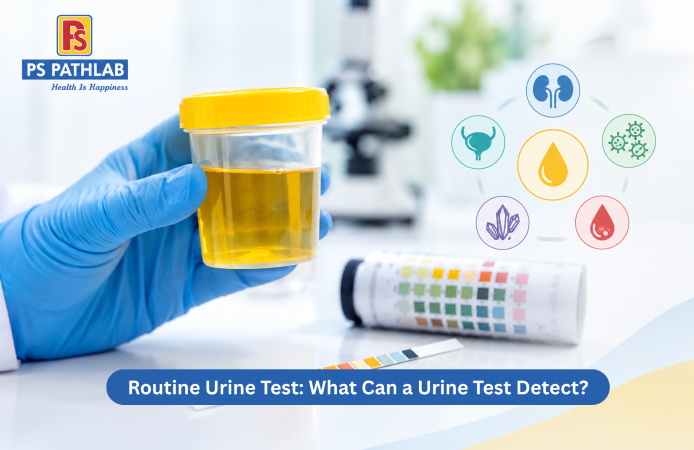
Routine Urine Test: What Can a Urine Tes...
23 Sep 2026
23 Sep 2026