
Why Do You Feel More Tired in Winter? Blood Tests That Can Help
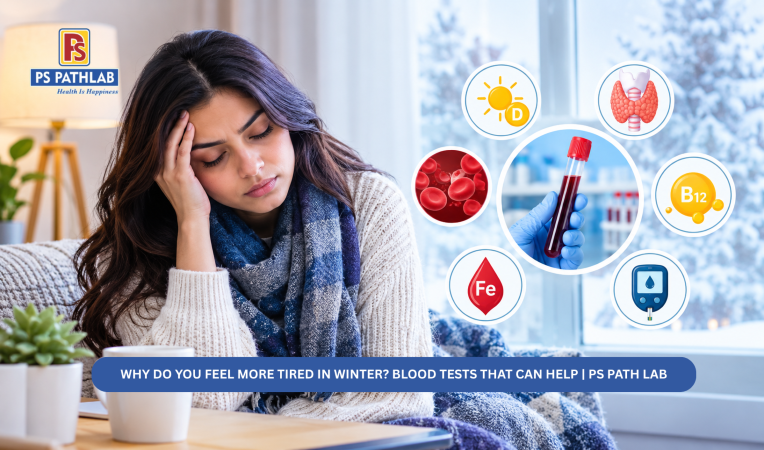
Do you feel unusually tired, weak, or low on energy during winter? You’re not alone. Changes in sleep patterns, reduced physical activity, less sunlight exposure, dietary changes, and certain nutritional deficiencies can contribute to winter fatigue.
While occasional tiredness may be normal, persistent or unexplained fatigue should not always be ignored. In some cases, a blood test can help identify nutritional deficiencies or health conditions that may be contributing to low energy.
Why Do You Feel More Tired in Winter?
Winter can affect your daily routine in several ways. Colder weather may make you less physically active, while shorter daylight hours can affect your sleep-wake cycle.
Some common reasons for feeling tired in winter include:
- Reduced exposure to sunlight
- Vitamin D deficiency
- Iron deficiency or low hemoglobin
- Vitamin B12 deficiency
- Thyroid-related problems
- Changes in sleep patterns
- Poor diet or inadequate nutrition
- Reduced physical activity
- Dehydration
If tiredness continues for several weeks or interferes with your daily activities, consider discussing your symptoms with a healthcare professional.
Which Blood Tests Can Help With Winter Fatigue?
There is no single blood test that identifies every cause of tiredness. Depending on your symptoms and medical history, a healthcare professional may recommend different tests.
1. Complete Blood Count (CBC)
A CBC test measures different types of blood cells, including red blood cells, white blood cells, and platelets.
It can provide useful information about hemoglobin and red blood cell levels. Low hemoglobin may be associated with tiredness and weakness and can require further evaluation.
2. Vitamin D Test
Because sunlight exposure may decrease during winter, some people may have low vitamin D levels.
A 25-hydroxy vitamin D blood test measures vitamin D levels and can help identify vitamin D deficiency.
3. Vitamin B12 Test
Vitamin B12 is important for healthy red blood cells and normal nervous system function.
A vitamin B12 test may be recommended when fatigue occurs along with symptoms such as weakness, numbness, or tingling, depending on the clinical situation.
4. Iron Studies
Iron is important for producing hemoglobin. Iron deficiency can occur with or without anemia.
Depending on the situation, a healthcare professional may recommend tests such as serum ferritin, serum iron, TIBC, and transferrin saturation to evaluate iron status.
5. Thyroid Function Tests
Thyroid problems can sometimes be associated with tiredness, changes in weight, sensitivity to cold, or other symptoms.
Tests such as TSH and, when appropriate, T3/T4 may be advised to evaluate thyroid function.
6. Blood Sugar Tests
Changes in blood glucose can sometimes be associated with fatigue or weakness.
Depending on your symptoms and risk factors, a healthcare professional may recommend tests such as fasting blood glucose or HbA1c.
When Should You Consider a Blood Test for Fatigue?
Consider speaking with a doctor if your tiredness:
- Continues for several weeks
- Is getting worse
- Affects work or daily activities
- Occurs with unexplained weight changes
- Is accompanied by persistent weakness
- Occurs with dizziness or shortness of breath
- Happens despite adequate sleep and rest
The appropriate tests depend on your symptoms, age, medical history, medications, diet, and other risk factors.
Winter Health Checkup in Delhi
If you’re looking for a blood test in Pitampura, Rohini, or Delhi, PS Path Lab provides diagnostic testing for a range of health concerns.
Commonly requested tests include
- CBC
- Vitamin D
- Vitamin B12
- Thyroid Profile
- Iron Studies
- HbA1c
- Blood Glucose
- Liver Function Tests
- Kidney Function Tests
- Lipid Profile
- Routine Urine Test
- Preventive Health Checkups
Patients can discuss their requirements with the laboratory or their healthcare professional to determine which tests are appropriate.
Frequently Asked Questions
Why do I feel more tired in winter?
Winter fatigue can be associated with changes in sunlight exposure, sleep patterns, physical activity, diet, or nutritional status. Persistent fatigue may also have other medical causes.
What blood tests should I take for winter fatigue?
Depending on your symptoms, a healthcare professional may consider tests such as CBC, vitamin D, vitamin B12, iron studies, thyroid function tests, and blood glucose testing.
Can vitamin D deficiency cause tiredness?
Low vitamin D levels can occur in people with limited sunlight exposure. A vitamin D blood test can help determine whether your vitamin D level is low.
Can a CBC detect the cause of fatigue?
A CBC can provide information about hemoglobin and blood cell levels, which may help identify some possible causes of fatigue. However, a CBC cannot identify every cause of tiredness.
Which test checks for thyroid problems?
TSH is commonly used to evaluate thyroid function. Additional thyroid tests may be recommended depending on the individual's symptoms and clinical assessment.
Should I get a blood test if I feel tired all the time?
If persistent fatigue does not improve with adequate rest or is affecting your daily life, speak with a healthcare professional. They can determine whether blood tests or other evaluations are appropriate.
Takeaway
Feeling tired during winter can have many possible causes, from changes in routine and sunlight exposure to nutritional deficiencies or underlying health conditions. Blood tests can help provide useful information, but the right tests depend on the individual.
If you have persistent or unexplained fatigue, consult a healthcare professional before starting supplements or treatment based only on symptoms.
PS Path Lab – Accurate Reports • Trusted Diagnostics
For blood tests and diagnostic services in Pitampura, Rohini, and Delhi, contact PS Path Lab to discuss your testing requirements.