
Common Winter Illnesses: Symptoms, Causes & Tests You May Need
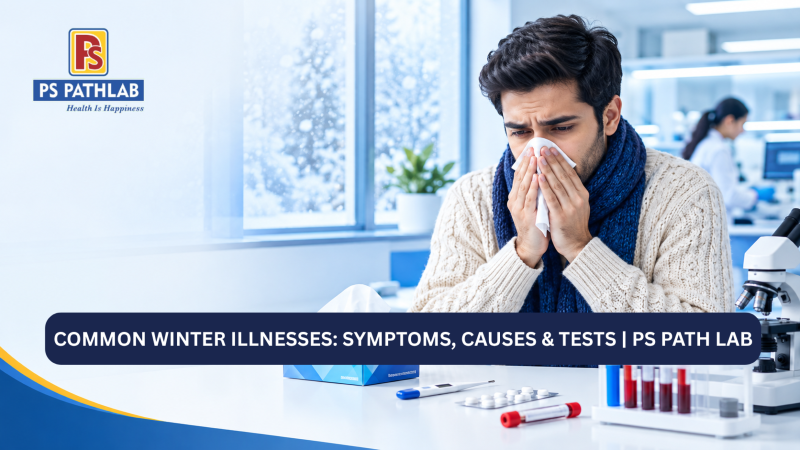
Winter can be a refreshing season, but colder temperatures can also increase the risk of several common infections and health problems. Changes in temperature, reduced sunlight exposure, indoor crowding, and seasonal infections may affect people of all ages.
Knowing the common symptoms and understanding when diagnostic tests may be useful can help you take timely action and discuss your health concerns with a qualified healthcare professional.
Common Winter Illnesses
1. Common Cold
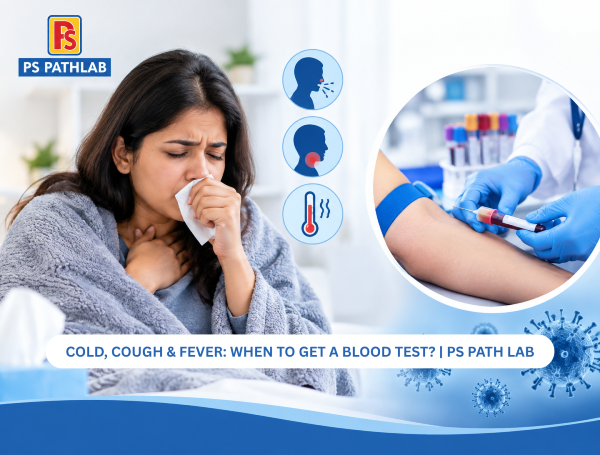
The common cold is one of the most frequent illnesses during winter. It is usually caused by viruses and can spread through respiratory droplets or close contact.
Common symptoms include:
- Runny or blocked nose
- Sneezing
- Sore throat
- Mild cough
- Headache
- Mild body ache
- Fatigue
Most common colds improve with rest and supportive care. If symptoms are severe, persistent, or unusual, consult a healthcare professional.
2. Flu (Influenza)
Influenza can cause more noticeable symptoms than a typical cold. It may develop suddenly and can include fever, chills, cough, body aches, headache, and significant tiredness.
People at higher risk of complications, including older adults, young children, pregnant women, and people with certain medical conditions, may need particular attention during flu season.
Depending on the symptoms and clinical assessment, a healthcare professional may recommend appropriate laboratory testing.
3. Sore Throat and Respiratory Infections
Cold weather and seasonal viruses can contribute to respiratory infections. A sore throat may occur along with cough, congestion, fever, or difficulty swallowing.
The cause can vary, so testing may sometimes be recommended based on symptoms and medical evaluation.
4. Viral Fever
Viral infections can cause fever, tiredness, headache, body aches, and reduced appetite. Several different viruses can produce similar symptoms.
If fever continues, becomes high, or is accompanied by other concerning symptoms, a healthcare professional may recommend blood tests or other investigations to help determine the possible cause.
5. Asthma and Respiratory Problems
Cold air can trigger symptoms in some people with asthma or other respiratory conditions. Symptoms may include:
- Coughing
- Wheezing
- Chest tightness
- Shortness of breath
People with recurring or worsening respiratory symptoms should seek medical advice rather than relying on self-diagnosis.
Why Do People Get Sick More Often in Winter?
Winter illnesses can be influenced by several factors, including:
- Increased time spent indoors
- Close contact with other people
- Seasonal respiratory viruses
- Changes in temperature
- Reduced exposure to sunlight
- Existing health conditions
Good hygiene, adequate sleep, balanced nutrition, regular physical activity, and appropriate medical care can support overall health during winter.
Which Tests May Be Needed for Winter Illnesses?
There is no single blood test that detects every winter illness. The appropriate test depends on the symptoms, medical history, age, and clinical assessment.
Depending on the situation, a healthcare professional may recommend tests such as
Complete Blood Count (CBC)
A CBC measures different types of blood cells. It can provide useful information when evaluating symptoms such as fever, weakness, or suspected infection.
CRP Test
C-reactive protein (CRP) is a marker of inflammation. A healthcare professional may recommend it when assessing certain inflammatory or infectious conditions.
Blood Sugar Test
Illness can affect blood glucose levels, particularly in people with diabetes. Blood sugar testing may be recommended depending on a person's health history and symptoms.
Vitamin D Test
Reduced sunlight exposure during winter can contribute to lower vitamin D levels in some people. A vitamin D blood test can help determine the current vitamin D status when testing is clinically appropriate.
Other Tests
Depending on the symptoms, a doctor may recommend additional tests, such as thyroid, kidney, liver, urine, or specific infection-related tests.
Important: The right test should be selected based on individual symptoms and medical advice rather than testing for every possible condition.
When Should You Consider Getting Tested?
Consider speaking with a healthcare professional if you experience:
- Persistent or high fever
- Severe weakness or fatigue
- Difficulty breathing
- Persistent cough
- Unexplained weight loss
- Repeated infections
- Symptoms that are getting worse
- Symptoms that do not improve as expected
Urgent medical attention may be necessary for severe breathing difficulty, chest pain, confusion, severe dehydration, or other serious symptoms.
How Can You Stay Healthy During Winter?
A few simple habits can help support your health:
- Wash your hands regularly.
- Stay hydrated.
- Eat a balanced diet.
- Get adequate sleep.
- Stay physically active.
- Dress appropriately for cold weather.
- Avoid close contact with people who are unwell when possible.
- Follow recommended vaccinations and medical advice.
- Get appropriate health checks when advised by a healthcare professional.
Winter Health Checkups at PS Path Lab
Regular health testing can provide useful information about your overall health, particularly when recommended by a healthcare professional.
PS Path Lab provides a range of diagnostic laboratory services, including blood tests and health checkup profiles. Patients can discuss their symptoms and testing requirements with a healthcare professional to determine which investigations may be appropriate.
For people in Pitampura and Delhi, choosing a convenient diagnostic laboratory can make routine health testing easier.
Frequently Asked Questions
What are the most common winter illnesses?
Common winter illnesses include colds, influenza, respiratory infections, sore throat, viral illnesses, and worsening of some existing respiratory conditions.
What are the symptoms of winter infections?
Symptoms can include fever, cough, sore throat, runny nose, congestion, headache, body aches, weakness, and fatigue. Symptoms vary depending on the infection.
What blood tests are needed for winter illness?
The appropriate test depends on the symptoms. A healthcare professional may recommend tests such as CBC, CRP, blood sugar, vitamin D, or other specific investigations.
Can a blood test detect an infection?
Some blood tests can provide information that may support the evaluation of an infection or inflammation, but a blood test alone does not identify every infection.
Is a winter health checkup necessary?
The need for a health checkup depends on your age, health history, symptoms, risk factors, and medical advice. Routine testing may be useful when recommended by a healthcare professional.
When should I see a doctor for winter illness?
Seek medical advice for persistent or worsening symptoms, high or prolonged fever, breathing difficulties, chest pain, severe weakness, or other concerning symptoms.
Final Thoughts
Winter illnesses are common, but many can be managed effectively when symptoms are recognized early and appropriate medical advice is sought. Diagnostic tests can provide valuable information when they are clinically appropriate.
If you are experiencing persistent symptoms or want to understand which health tests may be suitable for you, consult a qualified healthcare professional.
PS Path Lab — Accurate Reports • Trusted Diagnostics