
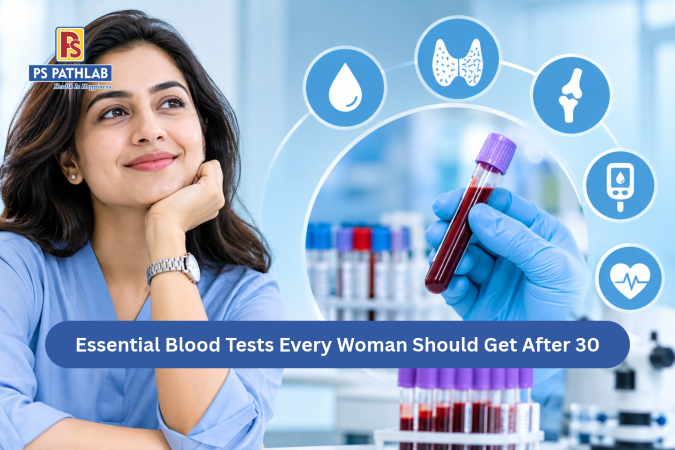
Essential Blood Tests Every Woman Should Get After 30
Take charge of your health with regular preventive health checkups at PS PathLab.
Turning 30 is an important milestone in a woman's life. As the body undergoes changes related to hormones, metabolism, reproductive health, and nutritional requirements, regular health monitoring becomes increasingly important.
Many health conditions, including thyroid disorders, diabetes, anemia, vitamin deficiencies, and cholesterol abnormalities, may develop without noticeable symptoms. Routine blood tests can help identify certain health concerns early and support timely medical care.
At PS PathLab, we believe that prevention begins with awareness. Understanding which blood tests may be appropriate after 30 can help women make informed decisions about their health.
Why Are Blood Tests Important for Women After 30?
After the age of 30, lifestyle changes, stress, nutritional habits, pregnancy history, and hormonal changes can influence overall health.
Regular blood testing can help:
- Identify nutritional deficiencies.
- Monitor thyroid function.
- Assess blood sugar levels and diabetes risk.
- Check cholesterol and cardiovascular risk factors.
- Evaluate liver and kidney function.
- Detect signs of anemia.
- Monitor health concerns associated with hormonal changes.
Not every woman needs every test annually. A healthcare professional can recommend suitable tests based on individual health history, symptoms, and risk factors.
10 Essential Blood Tests Women Should Consider After 30
1. Complete Blood Count (CBC)
A CBC test measures different components of blood, including red blood cells, white blood cells, hemoglobin, and platelets.
Why is it important?
- Helps identify anemia.
- Evaluates hemoglobin levels.
- Provides information about blood cell abnormalities.
- May help investigate fatigue and weakness.
Women experiencing persistent tiredness, weakness, or heavy menstrual bleeding may benefit from discussing this test with their doctor.
2. Thyroid Stimulating Hormone (TSH) Test
Thyroid hormones influence metabolism, energy levels, body temperature, and several other bodily functions.
Why is it important?
- Helps assess thyroid function.
- Supports the evaluation of unexplained weight changes.
- May help investigate hair thinning and fatigue.
- Helps evaluate suspected hypothyroidism or hyperthyroidism.
Women experiencing unexplained fatigue, menstrual irregularities, or significant weight changes should consult a healthcare professional about thyroid testing.
3. Vitamin D Test
Vitamin D plays an important role in maintaining healthy bones, muscles, and immune function.
Why is it important?
- Helps assess vitamin D deficiency.
- Supports bone health evaluation.
- May help investigate muscle weakness and bone discomfort.
- Helps guide supplementation when needed.
4. Vitamin B12 Test
Vitamin B12 is essential for red blood cell production, nerve function, and DNA synthesis.
Why is it important?
- Helps identify vitamin B12 deficiency.
- Supports the evaluation of certain types of anemia.
- May help investigate tingling or numbness.
- Helps assess nutritional health, especially in people following vegetarian or vegan diets.
5. Iron Profile and Ferritin Test
Iron is essential for producing hemoglobin, which carries oxygen throughout the body.
Women with menstrual blood loss may be at increased risk of iron deficiency.
Why is it important?
- Helps assess iron deficiency.
- Evaluates iron stores through ferritin.
- May help investigate fatigue and weakness.
- Supports the evaluation of iron-deficiency anemia.
6. HbA1c Test
The HbA1c test measures average blood glucose levels over approximately the previous 2–3 months.
Why is it important?
- Helps screen for prediabetes and diabetes.
- Provides information about long-term blood sugar control.
- Helps monitor people diagnosed with diabetes.
Women with a family history of diabetes, excess body weight, or other risk factors should discuss appropriate screening with their doctor.
7. Lipid Profile Test
A lipid profile measures cholesterol and triglyceride levels in the blood.
Why is it important?
- Measures total cholesterol.
- Checks HDL (good cholesterol).
- Measures LDL (bad cholesterol).
- Evaluates triglyceride levels.
- Helps assess cardiovascular risk.
Monitoring cholesterol is an important part of preventive healthcare.
8. Liver Function Test (LFT)
The LFT evaluates different markers associated with liver health.
Why is it important?
- Helps assess liver function.
- Measures liver-associated enzymes.
- Evaluates bilirubin and certain blood proteins.
- May help investigate suspected liver disorders.
9. Kidney Function Test (KFT)
Kidneys help filter waste products and maintain fluid and electrolyte balance.
Why is it important?
- Measures creatinine and blood urea.
- Helps evaluate kidney function.
- May identify abnormalities requiring further investigation.
- Supports monitoring of people with diabetes or high blood pressure.
10. Calcium Test
Calcium is an essential mineral for maintaining healthy bones, teeth, muscles, and nerve function.
Why is it important?
- Helps assess calcium levels.
- Supports the evaluation of bone health.
- May help investigate certain muscle-related symptoms.
- Can be useful when assessing suspected calcium or parathyroid disorders.
Additional Tests Depending on Individual Health Needs
Some women may require additional investigations based on their symptoms, reproductive health, family history, or medical conditions.
These may include:
- FSH and LH: For evaluating certain reproductive and hormonal concerns.
- Prolactin: When investigating menstrual irregularities or unexplained milk discharge.
- Estradiol: For evaluating selected reproductive and hormonal conditions.
- PCOS-related investigations: Based on symptoms and clinical assessment.
- Urine Routine and Microscopy: Helps evaluate urinary abnormalities and possible infections.
These tests are not routine requirements for every woman after 30. Their suitability should be determined by a healthcare professional.
How Often Should Women Get Blood Tests After 30?
The frequency of testing depends on individual health conditions, age, family history, and risk factors.
A healthcare professional may recommend:
- Periodic CBC and nutritional assessments when clinically indicated.
- Blood sugar screening according to diabetes risk.
- Cholesterol testing based on cardiovascular risk.
- Thyroid testing when symptoms or risk factors suggest a need.
- Kidney and liver function tests when medically appropriate.
Remember, more testing does not always mean better healthcare. The right tests at the right time are what matter.
Where Can You Get Blood Tests in Pitampura, Delhi?
If you are looking for reliable blood testing and preventive health checkups in Pitampura, Delhi, PS PathLab provides diagnostic testing services to support your healthcare needs.
At PS PathLab, we focus on:
- Accurate and reliable diagnostic testing.
- Professional sample collection.
- Convenient home sample collection facilities.
- A wide range of routine blood investigations.
- Patient-focused service and support.
Book your blood test with PS PathLab today.
PS PathLab – Health Is Happiness
Address: 198 Deepali Enclave, Pitampura, Basement, Delhi – 110034
Phone: +91 96674 92046
Website: https://www.pspathlab.com
Conclusion
Your 30s are the right time to become more proactive about your health. Regular health assessments can help identify nutritional deficiencies, thyroid abnormalities, blood sugar concerns, and other health issues that may otherwise go unnoticed.
Understanding your health through appropriate diagnostic testing is an important step towards long-term wellness.
Choose the right tests based on your healthcare professional's advice and make preventive healthcare a priority.
Stay informed. Stay healthy. Choose PS PathLab.