
Fatty Liver Disease: Which Blood Tests Help Detect It? A Complete Guide
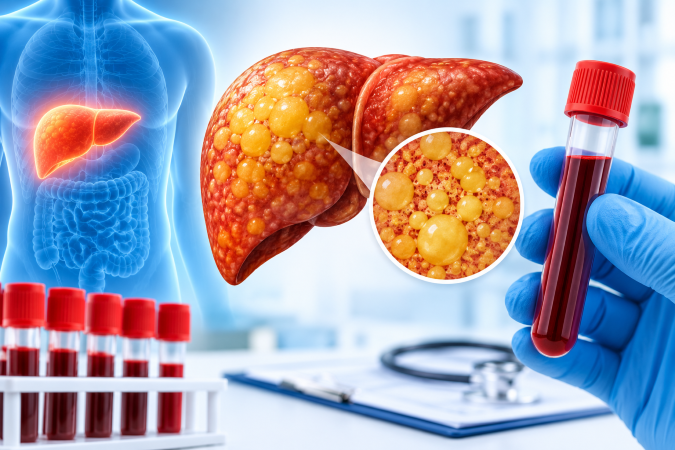
Fatty liver disease is a common health condition in which excess fat accumulates in the liver. It can develop gradually and may not cause noticeable symptoms during its early stages. Many people discover the condition during a routine health checkup or when their doctor recommends liver-related investigations.
Early detection is important because untreated fatty liver disease can sometimes progress to liver inflammation, fibrosis, and more serious liver damage.
But how can you check whether your liver is healthy? Which blood tests help detect fatty liver disease? Can an ordinary liver function test (LFT) identify the condition?
At PS PathLab, we believe that understanding your health is the first step towards better healthcare. In this guide, we explain the important blood tests used to evaluate liver health, their purpose, and when you may need them.
What Is Fatty Liver Disease?
Fatty liver disease occurs when excess fat builds up inside liver cells. The condition is now broadly classified into different categories.
1. Metabolic Dysfunction-Associated Steatotic Liver Disease (MASLD)
MASLD is associated with metabolic risk factors such as:
- Obesity or excess body weight.
- Type 2 diabetes.
- Insulin resistance.
- High cholesterol or triglycerides.
- High blood pressure.
2. Alcohol-Related Liver Disease
This type of fatty liver disease is associated with alcohol consumption. Continued alcohol exposure can increase the risk of liver inflammation and damage.
Fatty liver may remain silent for years, making appropriate health screening important for people with relevant risk factors.
What Are the Early Symptoms of Fatty Liver?
Many people with fatty liver do not experience symptoms, particularly during the early stages.
However, some individuals may experience:
- Persistent tiredness or fatigue.
- Discomfort in the upper-right abdomen.
- Unexplained weakness.
- General feeling of discomfort.
- Enlarged liver in some cases.
In advanced stages, symptoms may include abdominal swelling, yellowing of the skin or eyes, and swelling in the legs.
These symptoms can have several possible causes. Medical evaluation is important rather than assuming they indicate fatty liver.
Which Blood Tests Help Detect Fatty Liver Disease?
Blood tests help evaluate liver function, identify possible liver injury, and assess associated metabolic conditions. However, no single routine blood test can independently confirm fatty liver.
Here are some commonly recommended investigations.
1. Liver Function Test (LFT)
A liver function test is one of the commonly used investigations for evaluating liver health.
It measures several parameters, including:
- ALT (SGPT)
- AST (SGOT)
- ALP (Alkaline Phosphatase)
- Total Bilirubin
- Direct Bilirubin
- Albumin
- Total Protein
Abnormal LFT results may indicate liver injury or other liver-related conditions. However, normal LFT results do not rule out fatty liver disease.
2. SGPT (ALT) Blood Test
SGPT, also known as ALT, is an enzyme found mainly in the liver.
When liver cells are damaged, ALT may enter the bloodstream, causing elevated levels.
A high ALT result may be associated with:
- Fatty liver disease.
- Liver inflammation.
- Viral hepatitis.
- Certain medications.
- Other liver-related conditions.
Elevated ALT does not automatically mean fatty liver. Your doctor may recommend further investigations to identify the cause.
3. SGOT (AST) Blood Test
SGOT, also called AST, is an enzyme found in the liver, muscles, and other tissues.
Elevated AST levels may occur due to:
- Liver inflammation.
- Fatty liver-related liver injury.
- Muscle damage.
- Certain medications.
- Other medical conditions.
Doctors often evaluate AST together with ALT to understand possible liver injury.
4. GGT Blood Test
Gamma-glutamyl transferase (GGT) is an enzyme associated with the liver and bile ducts.
Higher GGT levels may be associated with:
- Liver or bile duct conditions.
- Alcohol-related liver injury.
- Certain medications.
- Metabolic liver conditions.
GGT is generally interpreted alongside other liver test results.
5. Bilirubin Test
Bilirubin is a yellow pigment produced during the breakdown of red blood cells. The liver processes bilirubin before it is eliminated from the body.
A bilirubin test measures:
- Total Bilirubin.
- Direct Bilirubin.
- Indirect Bilirubin.
Elevated bilirubin can occur due to several conditions, including liver disease, bile duct obstruction, or increased breakdown of red blood cells.
It is not a specific test for fatty liver.
6. Lipid Profile Test
A lipid profile measures different types of fats in your blood.
It commonly includes:
- Total Cholesterol.
- HDL Cholesterol.
- LDL Cholesterol.
- Triglycerides.
High triglycerides and other lipid abnormalities may be associated with metabolic risk factors that increase the likelihood of MASLD.
7. HbA1c and Blood Sugar Tests
Insulin resistance and type 2 diabetes are important risk factors associated with metabolic fatty liver disease.
Doctors may recommend:
- Fasting Blood Sugar (FBS).
- Postprandial Blood Sugar (PPBS).
- HbA1c Test.
The HbA1c test estimates average blood glucose levels over approximately the previous 2–3 months.
These tests help identify diabetes or prediabetes, which may influence liver health.
Can a Normal LFT Report Rule Out Fatty Liver?
No. A normal liver function test does not completely rule out fatty liver disease.
Some people with fatty liver have normal ALT and AST levels, especially during the early stages.
This happens because routine liver enzyme measurements do not directly measure the amount of fat accumulated inside liver cells.
Depending on your symptoms and risk factors, your doctor may recommend:
- Abdominal ultrasound.
- Liver elastography (FibroScan).
- FIB-4 score assessment.
- Additional blood investigations.
These investigations help evaluate liver fat accumulation and assess the possibility of liver fibrosis.
Can Fatty Liver Be Detected Without an Ultrasound?
Blood tests can help identify liver injury and associated metabolic conditions, but they cannot reliably confirm fat accumulation in the liver.
Imaging investigations such as abdominal ultrasound may help detect fatty changes.
For selected patients, elastography or other advanced imaging techniques may be recommended to assess liver stiffness and fibrosis.
Your doctor will decide which investigations are appropriate based on your health condition.
Who Should Consider Fatty Liver Screening?
People with certain health conditions or lifestyle-related risk factors may benefit from medical evaluation.
Consider discussing liver health screening with your doctor if you have:
- Type 2 diabetes.
- Obesity or excess abdominal fat.
- High triglyceride levels.
- High cholesterol.
- High blood pressure.
- Insulin resistance.
- A history of abnormal liver enzyme results.
- A family history of certain liver conditions.
The need and frequency of testing depend on individual risk factors and medical advice.
How Can You Maintain Better Liver Health?
Healthy lifestyle habits can help reduce metabolic risk factors and support liver health.
Some useful steps include:
- Maintain a healthy body weight.
- Follow a balanced and nutritious diet.
- Limit sugary drinks and highly processed foods.
- Exercise regularly.
- Avoid alcohol, particularly if you have liver disease.
- Manage blood sugar and cholesterol levels.
- Take medicines only as prescribed.
- Get medical advice if liver test results are abnormal.
Gradual, sustained weight loss may help reduce liver fat in people with excess body weight. Avoid extreme diets or unverified liver detox products.
Where Can You Get a Liver Function Test in Pitampura, Delhi?
Choosing a reliable diagnostic laboratory is important for proper sample handling and dependable laboratory reporting.
PS PathLab provides diagnostic testing services for individuals looking to monitor their liver health and overall well-being in Pitampura, Delhi.
Our diagnostic services include:
- Liver Function Test (LFT).
- SGPT (ALT) Test.
- SGOT (AST) Test.
- GGT Test.
- Bilirubin Test.
- Lipid Profile.
- HbA1c Test.
- Complete Health Checkup Packages.
We also provide convenient home blood sample collection services.
PS PathLab – Health to Happiness
Address: 198 Deepali Enclave, Pitampura, Basement, Delhi – 110034
Phone: +91 96674 92046
Website: https://www.pspathlab.com
Conclusion
Fatty liver disease can develop without noticeable symptoms, making awareness of liver health and associated risk factors important.
Blood tests such as LFT, SGPT, SGOT, and GGT help evaluate liver-related abnormalities, while lipid profile and HbA1c tests help assess associated metabolic risk factors. However, blood tests alone cannot confirm fatty liver or rule out the condition.
If you have risk factors or abnormal liver test results, consult your doctor for appropriate investigations.
At PS PathLab, we are committed to supporting informed healthcare decisions through diagnostic testing and convenient home sample collection.
Book your diagnostic test with PS PathLab and take a step towards better health.
Medical Disclaimer: This article is intended for general health awareness and educational purposes only. It does not replace professional medical advice, diagnosis, or treatment.