
Can Stress and Lack of Sleep Affect Blood Test Results?
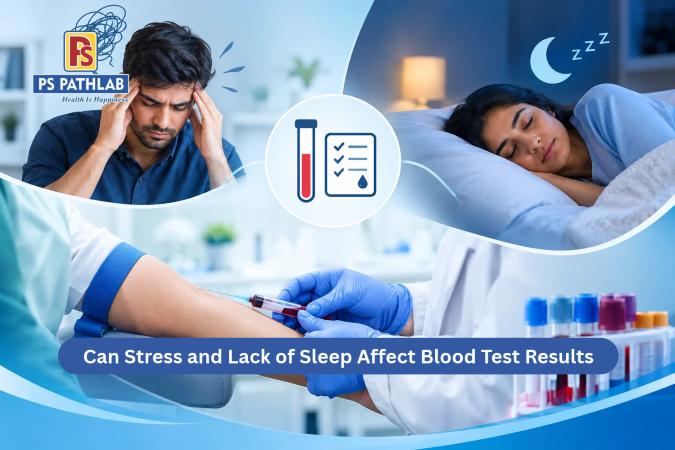
Stress and lack of sleep are common parts of modern life, but did you know they may also influence certain blood test results? Whether you are going for a routine health checkup, diabetes screening, or a hormone test, your body's condition before sample collection can sometimes affect the readings.
At PS PathLab, Pitampura, Delhi, we believe that understanding proper blood test preparation helps patients make informed decisions about their health. In this blog, we explain how stress, poor sleep, and pre-test habits may affect blood test results and how you can prepare for your next diagnostic test.
How Does Stress Affect Blood Test Results?
When you experience stress, your body releases hormones such as cortisol and adrenaline. These hormones help your body respond to challenging situations, but they can also influence certain physiological measurements.
Depending on the type and duration of stress, possible effects include:
- Blood glucose levels: Acute stress may temporarily increase blood sugar levels.
- Cortisol levels: Physical or emotional stress can influence cortisol measurements.
- White blood cell counts: Stress may cause temporary changes in certain white blood cell populations.
- Other health indicators: Stress can affect several body functions, although its impact varies depending on the test and individual.
If you are scheduled for a blood test, try to remain calm and follow your doctor's or laboratory's instructions.
Can Lack of Sleep Affect Blood Test Results?
Yes, insufficient sleep may influence certain blood test measurements. Sleep plays an important role in regulating hormones, metabolism, immune function, and blood sugar levels.
Repeated poor sleep or sleep deprivation may affect:
1. Blood Sugar and Diabetes Tests
Poor sleep can influence insulin sensitivity and glucose regulation. This may affect blood glucose measurements, particularly when combined with other factors such as stress, illness, or changes in diet.
If you are getting a fasting blood glucose test or HbA1c test, follow the preparation instructions provided by your healthcare professional. HbA1c reflects average blood sugar over approximately two to three months, so one poor night's sleep generally has less influence on it than on a single glucose measurement.
2. Hormone Blood Tests
Sleep patterns help regulate several hormones, including cortisol. The timing of sample collection can also be important because some hormone levels naturally change throughout the day.
If your doctor has prescribed a hormone test, ask whether a particular collection time or preparation routine is necessary.
3. Immune System and Inflammation
Insufficient sleep may influence immune function and inflammatory processes. However, the effect on a specific test depends on your health, sleep pattern, and the marker being measured.
A complete blood count (CBC), for example, should always be interpreted alongside symptoms, medical history, and other clinical findings.
4. Cholesterol and Metabolic Health
Long-term sleep disturbances have been associated with changes in metabolic health, including glucose and lipid regulation. A single night of poor sleep does not automatically make a cholesterol test inaccurate, but it is helpful to follow your laboratory's preparation instructions consistently.
What Happens If You Do Not Sleep Well Before a Blood Test?
If you have slept poorly the night before your blood test, there is usually no need to panic or automatically cancel your appointment.
The importance of poor sleep depends on the test being performed and your overall condition. Tell your doctor or laboratory professional if you have had significant sleep deprivation, unusual stress, fever, or illness, especially if the results appear unexpected.
Do not repeat or postpone a test without medical advice. Your doctor can decide whether the result is reliable for your situation or whether another sample is needed.
How to Prepare for an Accurate Blood Test
Proper preparation can help reduce avoidable variations in test results. Follow these practical tips before visiting a diagnostic laboratory:
- Get adequate sleep: Maintain your usual sleep routine and aim for sufficient rest.
- Follow fasting instructions: Fast only when instructed. The required duration depends on the test.
- Drink water as permitted: Plain water is generally allowed during fasting, unless your healthcare professional gives different instructions.
- Avoid strenuous exercise before testing: Intense physical activity can affect some blood measurements.
- Inform the laboratory about medicines: Do not stop prescribed medication unless your doctor tells you to.
- Avoid smoking before the test if instructed: Smoking may influence certain measurements.
- Arrive calmly: Allow yourself enough time to reach the laboratory without unnecessary rushing.
- Follow sample collection timings: Some tests require collection at a specific time of day.
Remember that preparation requirements differ between tests. Always follow the instructions given by your doctor or diagnostic laboratory.
When Should You Consult Your Doctor About Blood Test Results?
If your blood test results are outside the reference range, it does not necessarily mean that you have a medical condition. Stress, sleep, medications, hydration, recent exercise, and other factors may contribute to variations in some measurements.
Your doctor can assess the results alongside your symptoms, medical history, and other investigations. Do not diagnose yourself or change your medication based on a single result.
Get Reliable Diagnostic Testing at PS PathLab, Pitampura, Delhi
At PS PathLab, we support patients with routine blood testing and preventive health checkups, helping them take informed steps towards better health.
Whether you need a CBC, blood glucose test, HbA1c, thyroid profile, lipid profile, or a comprehensive health checkup, proper preparation and appropriate clinical interpretation are important parts of the testing process.
Visit PS PathLab in Pitampura, Delhi, for your diagnostic testing needs. Contact our team to learn about available tests, preparation requirements, and home blood sample collection.
Website: https://www.pspathlab.com
Address: 198 Deepali Enclave, Pitampura, Basement, Delhi – 110034.
Phone: +91 96674 92046
Frequently Asked Questions (FAQs)
1. Can stress affect blood test results?
Yes. Stress can temporarily influence measurements such as blood glucose and cortisol levels. Its effect depends on the type of test and the individual's health.
2. Does lack of sleep affect blood sugar levels?
Insufficient sleep may affect insulin sensitivity and glucose regulation. The impact on a particular blood glucose result varies between individuals.
3. How many hours should I sleep before a blood test?
Aim for your usual adequate night's sleep. Adults generally need at least seven hours of sleep, although individual needs vary. Follow any test-specific instructions from your healthcare professional.
4. Can anxiety increase blood sugar before a blood test?
Acute anxiety and stress may temporarily increase blood glucose in some people because of the body's stress response.
5. Does poor sleep affect HbA1c results?
HbA1c reflects average blood glucose over approximately two to three months. One night of poor sleep is unlikely to substantially change the result on its own.
6. Can stress affect thyroid test results?
Stress may influence some aspects of hormone regulation, but it does not necessarily cause abnormal thyroid test results. Discuss unexpected results with your doctor.
7. Should I postpone my blood test if I did not sleep well?
Not necessarily. Contact your doctor or laboratory if you have concerns, particularly if the test is time-sensitive or requires specific preparation.
8. Can I drink water before a fasting blood test?
Plain water is generally permitted during fasting, but you should follow the instructions provided for your particular test.
9. Does exercise affect blood test results?
Strenuous exercise can temporarily affect certain measurements, including muscle enzymes, glucose, and other markers. Ask your laboratory whether you need to avoid exercise before your test.
10. Where can I get a blood test in Pitampura, Delhi?
You can contact PS PathLab, located at 198 Deepali Enclave, Pitampura, Delhi – 110034, to ask about available diagnostic tests, preparation instructions, and home blood sample collection.
Final Thoughts
Stress and insufficient sleep may influence some blood test results, but their effects are not the same for every test. Getting adequate rest, following fasting instructions, and informing your healthcare professional about relevant factors can help with appropriate result interpretation.
For blood testing and preventive health checkups in Pitampura, Delhi, contact PS PathLab to learn more about the tests and services available to you.