
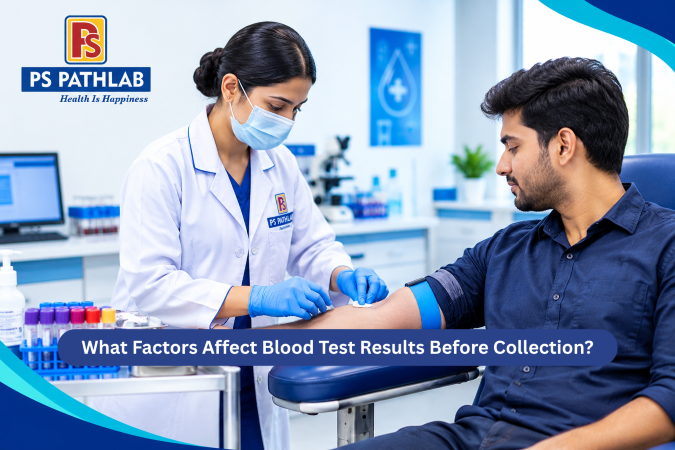
What Factors Can Affect Blood Test Results Before Sample Collection?
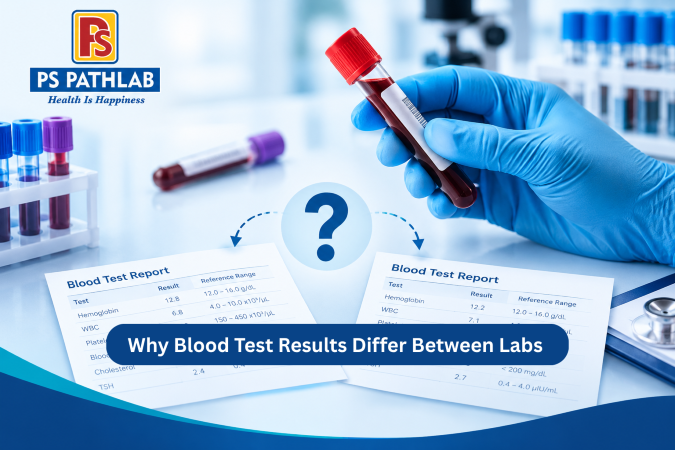
Blood tests are an important part of understanding your health. They help doctors evaluate blood sugar levels, thyroid function, liver and kidney health, cholesterol, nutritional deficiencies, and many other health indicators. However, certain factors before sample collection can influence blood test results.
Understanding how to prepare for a blood test can help improve the reliability of your results and reduce the need for repeat testing. At PS PathLab, we encourage patients to follow the recommended preparation instructions before undergoing laboratory testing.
In this blog, we explain the major factors that can affect blood test results before sample collection and how you can prepare for a blood test correctly.
Why Is Blood Test Preparation Important?
Proper preparation helps laboratories and healthcare professionals interpret your results more accurately. Some tests require fasting, while others may be affected by recent meals, physical activity, medications, hydration, or the time of sample collection.
Not every blood test requires special preparation. Always follow the instructions provided by your doctor or diagnostic laboratory.
1. Eating Before a Blood Test
Food intake can affect certain blood test measurements. For example, eating shortly before a test may influence blood glucose and triglyceride levels.
Some tests may require fasting for a specified period, while many routine tests do not.
What should you do?
- Confirm whether your test requires fasting.
- Follow the recommended fasting duration.
- Avoid eating during the fasting period if instructed.
- Ask whether plain water is permitted.
Do not fast unnecessarily, as prolonged fasting may not be appropriate for everyone.
2. Drinking Too Little Water
Dehydration can affect the concentration of certain substances measured in blood. It may influence measurements such as hemoglobin, hematocrit, urea, and electrolytes.
What should you do?
Maintain your usual hydration unless your doctor has advised fluid restriction. Plain water is generally permitted before blood collection, including during fasting, unless specific instructions state otherwise.
3. Intense Physical Exercise
Strenuous exercise shortly before sample collection may temporarily change certain blood measurements, including creatine kinase, lactate, and some liver-associated enzymes. It can also influence glucose levels.
What should you do?
Avoid unusually strenuous exercise before your blood test, particularly if you are undergoing tests that may be affected by physical activity. Ask your healthcare provider whether any specific restrictions apply.
4. Medicines and Dietary Supplements
Certain medicines and supplements can influence laboratory measurements. For example, biotin supplements may interfere with some laboratory tests, including certain thyroid and hormone tests.
Other medicines may affect glucose, kidney function, electrolytes, or cholesterol measurements.
What should you do?
- Inform your doctor or laboratory about medicines and supplements you take.
- Mention vitamins, herbal products, and over-the-counter medicines.
- Never stop prescribed medication without medical advice.
5. Alcohol Consumption Before Testing
Alcohol may influence several blood measurements, including triglycerides, glucose, and liver-related markers, depending on the amount consumed and the timing of the test.
What should you do?
Ask your doctor or laboratory whether you need to avoid alcohol before your specific test. Follow any preparation instructions provided to you.
6. Smoking Before Blood Sample Collection
Nicotine and smoking can cause short-term physiological changes, including changes in heart rate, stress hormones, and certain metabolic measurements.
What should you do?
If possible, avoid smoking before sample collection and follow any specific instructions given by your healthcare provider.
7. Stress and Lack of Sleep
Emotional stress and insufficient sleep can affect some hormones and metabolic measurements. Stress may temporarily influence cortisol and glucose levels in certain circumstances.
What should you do?
- Try to get adequate sleep the night before your test.
- Arrive early enough to avoid rushing.
- Sit quietly before collection if advised, particularly for tests that require rest.
8. Time of Day and Blood Sample Collection
Some substances in the body naturally fluctuate throughout the day. Cortisol, for example, follows a daily rhythm. Certain hormone tests and other investigations may require collection at a particular time.
Sample collection conditions and the handling of the specimen after collection can also influence the reliability of laboratory results.
What should you do?
Schedule your blood test according to your doctor's instructions. If a test requires a specific collection time, make sure the laboratory is aware of that requirement.
9. Recent Illness or Infection
An infection, fever, inflammation, or other recent illness can change certain blood measurements. For example, white blood cell counts and inflammatory markers may rise during an infection.
These changes may reflect your current health condition rather than a problem with the testing process.
What should you do?
Tell your doctor about any recent illness, fever, or significant change in your health before testing. Your doctor can decide whether testing should proceed as planned.
10. Menstrual Cycle and Hormonal Changes
Some hormone measurements can vary during the menstrual cycle. Pregnancy, menopause, and hormonal medicines may also influence the interpretation of particular laboratory tests.
What should you do?
Inform your doctor about relevant menstrual or pregnancy-related details when appropriate. Follow the recommended timing for hormone tests if your healthcare provider specifies a particular day of the cycle.
Quick Checklist: How to Prepare for a Blood Test
Before visiting a diagnostic laboratory, remember these simple steps:
- Confirm whether your test requires fasting.
- Drink water as normally permitted.
- Avoid unusually strenuous exercise if it could affect your test.
- Tell the laboratory about medicines and supplements.
- Follow any instructions regarding alcohol and smoking.
- Get adequate sleep and arrive on time.
- Inform your doctor about recent illness or relevant health changes.
- Follow any specific instructions for sample collection timing.
Important: Preparation requirements differ from one test to another. If you have diabetes, are pregnant, take regular medication, or have been advised to restrict food or fluids, ask your healthcare provider for individualized instructions.
Frequently Asked Questions (FAQs)
1. What factors can affect blood test results before sample collection?
Food intake, dehydration, strenuous exercise, certain medicines and supplements, alcohol, smoking, stress, sleep, collection timing, and recent illness can affect some blood test measurements.
2. Can eating before a blood test affect the results?
Yes. Eating can influence tests such as blood glucose and triglycerides. However, not every blood test requires fasting. Follow the instructions for your particular test.
3. How many hours should I fast before a blood test?
The required fasting period depends on the test ordered. Some tests may require around 8–12 hours of fasting, while many tests do not require fasting at all. Confirm the duration with your doctor or laboratory.
4. Can drinking water affect blood test results?
Drinking plain water in normal amounts is generally acceptable and helps maintain hydration. However, follow any specific fluid restrictions given by your healthcare provider.
5. Should I stop taking medicines before a blood test?
No. Do not stop prescribed medicines on your own. Inform your doctor or laboratory about your medicines and follow their advice.
6. Does exercise affect blood test results?
Yes. Strenuous exercise can temporarily affect some blood measurements, including muscle enzymes and certain metabolic markers.
7. How can I get reliable blood test results?
Follow the preparation instructions, provide accurate information about your medicines and health, and choose a diagnostic laboratory that follows appropriate sample collection, handling, and quality-control procedures.
Get Reliable Diagnostic Testing with PS PathLab
At PS PathLab, we understand the importance of reliable diagnostic testing in supporting informed healthcare decisions. Our services include a range of blood tests, routine investigations, thyroid testing, diabetes screening, and preventive health checkup packages.
Whether you need a routine blood test or a health checkup, following the correct preparation instructions is an important first step.
PS PathLab — Health Is Happiness
Address: 198 Deepali Enclave, Pitampura, Basement, Delhi – 110034
Website: https://www.pspathlab.com
Phone: +91-9667492046
Contact PS PathLab to learn more about available tests, preparation requirements, and home sample collection services.