
Cold, Cough & Fever in Winter: When Should You Get a Blood Test?
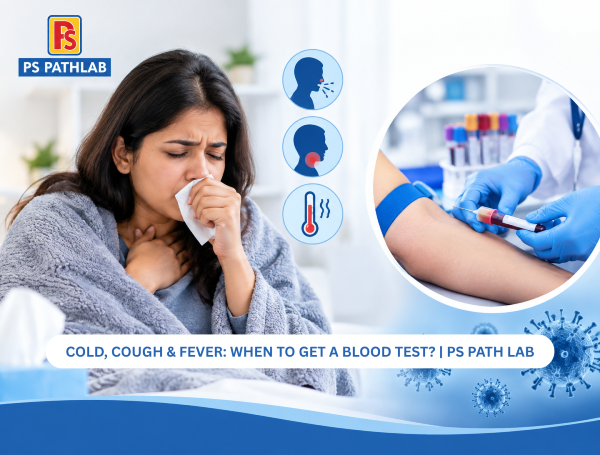
Winter often brings common health problems such as colds, coughs, sore throats, and fever. In many cases, these symptoms improve with rest, fluids, and appropriate medical care. However, when fever persists, symptoms become severe, or an infection is suspected, a doctor may recommend blood tests to understand what could be causing the symptoms.
So, when should you get a blood test for a cold, cough, and fever? Let’s understand the signs, commonly recommended tests, and when medical advice is important.
Is a Blood Test Necessary for Every Cold, Cough, or Fever?
No. A simple cold or mild cough does not always require a blood test. Many respiratory infections are diagnosed based on symptoms and a clinical examination.
A blood test may be considered when:
- Fever continues for several days or keeps returning
- Symptoms are getting worse instead of improving
- There is significant weakness or fatigue
- A bacterial or other infection is suspected
- There are unusual changes in symptoms
- The doctor wants to assess inflammation or infection
- You have an existing medical condition that may increase health risks
Your doctor can determine whether testing is appropriate based on your symptoms, medical history, and examination.
Which Blood Tests May Be Recommended for Fever and Infection?
The appropriate test depends on the symptoms and the suspected cause. Some commonly used tests include
1. Complete Blood Count (CBC)
A CBC test measures different types of blood cells, including white blood cells, red blood cells, and platelets. Changes in white blood cell counts can provide useful information when evaluating certain infections and other conditions.
However, a CBC alone cannot always determine the exact cause of an infection.
2. C-Reactive Protein (CRP)
A CRP test measures a protein associated with inflammation. Doctors may use it along with symptoms and other findings when evaluating inflammation or infection.
3. ESR Test
The ESR (Erythrocyte Sedimentation Rate) test is another marker that can help assess inflammation. It is generally interpreted together with other clinical information rather than used as a standalone diagnostic test.
4. Other Tests Based on Symptoms
Depending on the patient's symptoms and medical assessment, a doctor may recommend additional tests for specific infections or conditions.
For example, testing may be considered when there is prolonged fever, respiratory illness, gastrointestinal symptoms, urinary symptoms, or other signs suggesting a particular infection.
When Should You Consider Getting Tested?
Consider speaking with a healthcare professional if your fever is persistent, repeatedly returns, or is accompanied by symptoms that concern you.
A doctor may recommend testing if you experience:
- Persistent or high fever
- Severe or worsening cough
- Difficulty breathing
- Chest discomfort
- Significant weakness
- Dehydration
- Confusion or unusual drowsiness
- Symptoms that are not improving as expected
Important: Seek urgent medical attention for serious symptoms such as severe difficulty breathing, chest pain, confusion, bluish lips or face, or other symptoms that feel like an emergency.
Can a CBC Detect a Viral or Bacterial Infection?
A CBC can provide information about blood cell counts and may help a healthcare professional assess a possible infection. However, a CBC cannot by itself reliably distinguish every viral infection from every bacterial infection.
Doctors usually interpret CBC results together with symptoms, physical examination, and, when necessary, other laboratory tests.
Does Winter Increase the Need for Blood Tests?
Winter itself does not mean that everyone needs a blood test. Seasonal respiratory infections are common, but testing should be based on the individual's symptoms and clinical assessment.
If symptoms are mild and improving, testing may not be necessary. If symptoms persist, worsen, or raise concerns about an underlying infection, consult a healthcare professional about whether testing is appropriate.
Should You Get a Blood Test for a Cold and Cough?
For a mild cold and cough without concerning symptoms, a blood test is not necessarily required.
However, if the cough or fever persists, symptoms worsen, or your doctor suspects an infection or another underlying condition, laboratory testing may be recommended.
Blood Testing at PS Path Lab
If your doctor has recommended a blood test, PS Path Lab provides a range of diagnostic testing services in Pitampura, Delhi.
Our services include commonly requested tests such as
- CBC
- CRP
- ESR
- Blood glucose testing
- Liver function tests
- Kidney function tests
- Thyroid tests
- Lipid profile
- Routine urine testing
- Health checkup packages
PS Path Lab focuses on accurate diagnostic testing and patient-friendly laboratory services.
📍 Address: 198 Deepali Enclave, Pitampura, Basement, Delhi – 110034
📞 Contact: +91 96674 92046
🌐 Website: www.pspathlab.com
Frequently Asked Questions
1. When should I get a blood test for fever?
A blood test may be recommended when fever persists, returns repeatedly, becomes severe, or is accompanied by other concerning symptoms. A doctor can determine whether testing is appropriate.
2. Do I need a blood test for a cold and cough?
Not necessarily. Mild cold and cough symptoms often do not require blood testing. Testing may be considered when symptoms persist, worsen, or suggest an underlying infection.
3. Which blood test is commonly done for fever?
A CBC is commonly used when evaluating fever, while tests such as CRP or ESR may also be recommended depending on the clinical situation.
4. Can CBC detect infection?
A CBC can provide information that may support the evaluation of an infection, but it cannot identify every infection or determine its exact cause on its own.
5. How many days of fever require a blood test?
There is no single number of days that applies to everyone. The decision depends on fever severity, associated symptoms, age, medical history, and clinical examination.
6. Can a blood test tell whether a fever is viral or bacterial?
Not always. Blood test results need to be interpreted alongside symptoms, examination findings, and other relevant tests.
7. Where can I get a blood test in Pitampura?
You can visit PS Path Lab, 198 Deepali Enclave, Pitampura, Delhi – 110034, for diagnostic testing. Tests should be selected based on medical advice where appropriate.
Conclusion
Colds, coughs, and fever are common during winter, but persistent or worsening symptoms should not be ignored. A blood test is not required for every cold or fever, but your doctor may recommend tests such as CBC, CRP, or ESR when an infection or inflammation needs further evaluation.
If you have ongoing or concerning symptoms, consult a healthcare professional and follow their advice regarding diagnostic testing.
PS Path Lab – Accurate Reports • Trusted Diagnostics