
Heart disease remains one of the leading causes of death worldwide, and high cholesterol is one of its biggest risk factors. The concerning part is that high cholesterol usually has no symptoms, making it a silent threat to your health. A simple lipid profile test can help detect abnormal cholesterol levels early and reduce your risk of heart attack, stroke, and other cardiovascular diseases.
At PS Path Lab, we provide accurate and reliable lipid profile tests with fast reporting and convenient home sample collection across Delhi, helping you take control of your heart health.
What Is a Lipid Profile Test?
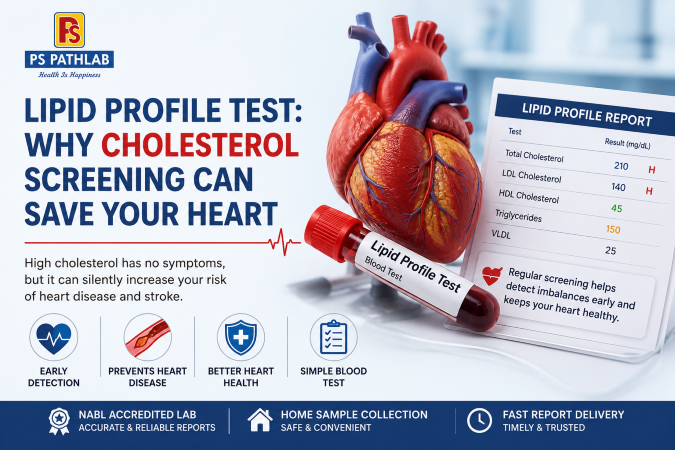
A lipid-lipid profile test, also known as a cholesterol test or lipid panel, is a blood test that measures the amount of fats (lipids) in your blood. These measurements help assess your risk of heart disease and guide preventive treatment if needed.
The test typically includes:
- Total Cholesterol – Overall cholesterol level in your blood.
- LDL (Low-Density Lipoprotein)—Often called "bad cholesterol" because high levels can block arteries.
- HDL (High-Density Lipoprotein)—Known as a lipid profile test as "good cholesterol" because it helps remove excess cholesterol from your bloodstream.
- Triglycerides – A type of fat that stores excess calories. High levels increase heart disease risk.
- VLDL (Very Low-Density Lipoprotein)—Another cholesterol-carrying particle associated with cardiovascular risk.
Why Is Cholesterol Screening Important?
High cholesterol develops gradually and often causes no warning signs. Many people discover they have high cholesterol only after experiencing serious complications such as:
- Heart attack
- Stroke
- Coronary artery disease
- Blocked arteries
- Peripheral artery disease
Regular cholesterol screening allows doctors to detect problems early and recommend lifestyle changes or treatment before complications occur.
Who Should Get a Lipid Profile Test?
A lipid profile test is recommended for:
- Adults aged 20 years and above
- Individuals with diabetes
- People with high blood pressure
- Smokers
- Overweight or obese individuals
- Those with a family history of heart disease or high cholesterol
- People with an unhealthy lifestyle or poor diet
- Patients already taking cholesterol-lowering medications
If you have any of these risk factors, regular cholesterol monitoring is essential.
Common Risk Factors for High Cholesterol
Several factors can increase cholesterol levels, including:
- Diet high in saturated and trans fats
- Lack of physical activity
- Obesity
- Smoking
- Excessive alcohol consumption
- Diabetes
- Hypothyroidism
- Genetic conditions
- Increasing age
Maintaining a healthy lifestyle and getting regular blood tests can significantly reduce these risks.
Symptoms of High Cholesterol
High cholesterol is often called a silent condition because it rarely causes noticeable symptoms.
You may not know you have high cholesterol until it contributes to:
- Chest pain
- Heart attack
- Stroke
- Poor circulation
- Blocked arteries
This is why routine blood testing is the most effective way to detect it early.
How Is the Test Performed?
The lipid profile test is a simple blood test.
Your healthcare provider may recommend fasting for 9–12 hours before the test, depending on your medical condition and the type of lipid assessment required.
The sample collection process is quick, safe, and usually takes only a few minutes.
Understanding Your Results
Your doctor will review several values, including:
- Total Cholesterol
- LDL Cholesterol
- HDL Cholesterol
- Triglycerides
- Cholesterol Ratio
These results help determine whether your cholesterol levels are healthy or if lifestyle changes, additional testing, or medication may be appropriate. Always discuss your report with a qualified healthcare professional for proper interpretation.
Tips to Keep Your Cholesterol Under Control
Healthy lifestyle habits can improve cholesterol levels and support heart health.
- Eat a balanced diet rich in fruits, vegetables, whole grains, and lean protein.
- Reduce foods high in saturated and trans fats.
- Exercise for at least 30 minutes on most days.
- Maintain a healthy body weight.
- Quit smoking.
- Limit alcohol consumption.
- Manage diabetes and blood pressure.
- Schedule regular cholesterol screening.
Why Choose PS Path Lab for Your Lipid Profile Test?
At PS Path Lab, we are committed to providing accurate and dependable diagnostic services.
Our Advantages
- Accurate and reliable test results
- Experienced laboratory professionals
- Affordable pricing
- Home sample collection available
- Fast report delivery
- Hygienic sample collection process
- Easy appointment booking
- Comprehensive preventive health checkups
Whether you need routine cholesterol monitoring or preventive heart screening, our team is here to support your health.
Frequently Asked Questions (FAQs)
1. What does a lipid profile test measure?
It measures total cholesterol, LDL, HDL, triglycerides, and other blood lipids to evaluate your cardiovascular risk.
2. Do I need to fast before the test?
Your doctor may recommend fasting for 9–12 hours before testing. Follow the instructions provided when booking your test.
3. How often should I get a cholesterol test?
Healthy adults should undergo cholesterol screening periodically. People with diabetes, hypertension, obesity, or a family history of heart disease may require more frequent testing as advised by their doctor.
4. Can high cholesterol be cured?
High cholesterol can often be effectively managed through healthy eating, regular exercise, weight management, and medication when prescribed.
5. Is home sample collection available?
Yes. PS Path Lab offers convenient home blood sample collection in many areas of Delhi, making testing easier and more comfortable.