

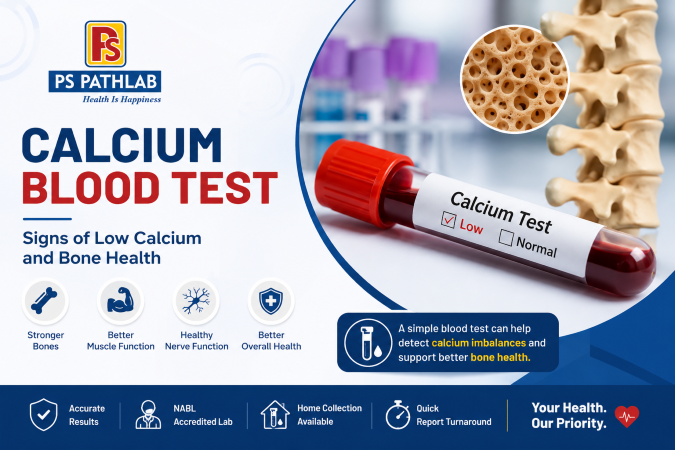
Calcium is one of the most important minerals in the human body. It plays a vital role in maintaining strong bones and teeth, supporting muscle function, helping nerves communicate, and assisting normal blood clotting.
When calcium levels become too low or too high, it can affect overall health. A Calcium Blood Test helps measure the amount of calcium in your blood and can help doctors identify calcium-related health problems.
If you are experiencing symptoms such as muscle cramps, weakness, tingling, or frequent bone problems, your doctor may recommend a calcium test.
What Is a Calcium Blood Test?
A Calcium Blood Test measures the level of calcium in your blood. Most of the body's calcium is stored in the bones and teeth, while a small amount circulates in the blood.
The test can help assess calcium balance and may be recommended when there are concerns related to:
- Calcium deficiency
- Bone health
- Vitamin D deficiency
- Parathyroid disorders
- Kidney problems
- Certain thyroid or hormonal conditions
- Osteoporosis risk
A calcium test is often included as part of routine health assessments or other blood investigations.
Why Is Calcium Important for Bone Health?
Calcium is essential for building and maintaining strong bones. The body continuously stores and releases calcium from the bones to maintain the appropriate calcium level in the blood.
Insufficient calcium intake over a long period may contribute to reduced bone strength. This can increase the risk of bone-related problems, particularly as people get older.
However, bone health depends on more than calcium alone. Vitamin D, physical activity, hormones, nutrition, and other factors also play important roles.
Signs and Symptoms of Low Calcium
Mildly low calcium may not cause obvious symptoms. When calcium levels become significantly low, symptoms may include:
- Muscle cramps or spasms
- Tingling or numbness around the lips, fingers, or feet
- Muscle weakness
- Fatigue
- Irritability
- Abnormal heart rhythm in severe cases
- Increased risk of bone problems over time
Symptoms can have many different causes, so a blood test and medical evaluation may be needed to determine whether low calcium is responsible.
What Causes Low Calcium Levels?
Low calcium levels can occur for several reasons, including:
1. Vitamin D Deficiency
Vitamin D helps the body absorb calcium from food. Low vitamin D levels can therefore affect calcium balance.
2. Poor Calcium Intake
Not consuming enough calcium-rich foods over time may contribute to inadequate calcium levels.
3. Kidney Problems
The kidneys help regulate calcium and vitamin D metabolism. Certain kidney disorders can affect calcium balance.
4. Parathyroid Problems
The parathyroid glands help regulate calcium levels in the body. Problems affecting these glands may cause calcium levels to become abnormal.
5. Certain Medications or Medical Conditions
Some medicines and health conditions can affect calcium absorption or regulation.
What Is a Normal Calcium Level?
The normal calcium range can vary slightly depending on the laboratory, testing method, and individual factors.
For this reason, your calcium result should be interpreted according to the reference range provided on your laboratory report.
A doctor may also consider other factors, such as albumin levels, kidney function, vitamin D status, symptoms, and medical history, before determining whether a calcium result is clinically significant.
Is Fasting Required for a Calcium Blood Test?
Usually, fasting is not required for a calcium blood test alone. However, if calcium is being tested along with other blood investigations, your healthcare provider may recommend fasting.
Always follow the preparation instructions provided by your doctor or diagnostic laboratory.
Calcium Blood Test and Vitamin D Test
Calcium and vitamin D are closely related to bone health.
Vitamin D helps the body absorb calcium efficiently. If calcium levels are abnormal, a doctor may recommend additional tests such as a Vitamin D Test, parathyroid hormone (PTH) testing, kidney function tests, or other investigations depending on the symptoms.
Testing multiple relevant parameters can help provide a better understanding of calcium metabolism and bone health.
Who Should Consider a Calcium Blood Test?
A doctor may recommend a Calcium Blood Test if you have:
- Symptoms associated with abnormal calcium levels
- A history of bone-related problems
- Vitamin D deficiency
- Kidney disease
- Parathyroid disorders
- Certain hormonal conditions
- A condition or medication that may affect calcium levels
- A need for routine monitoring of calcium balance
Your doctor can determine whether calcium testing is appropriate based on your individual health needs.
How Is a Calcium Blood Test Done?
A Calcium Blood Test is a simple blood investigation.
Step 1: Sample Collection
A trained healthcare professional collects a small blood sample from a vein in your arm.
Step 2: Laboratory Testing
The sample is sent to the laboratory for analysis.
Step 3: Report
Your calcium level is provided in the laboratory report along with the applicable reference range.
Step 4: Medical Interpretation
Your doctor can interpret the result in combination with your symptoms, medical history, and other test results.
Calcium Blood Test in Delhi
If you are looking for a Calcium Blood Test in Delhi, PS PathLab provides diagnostic testing services with convenient sample collection options.
PS PathLab can help you get your calcium levels checked as part of your preventive health assessment or when recommended by your healthcare professional.
For people looking for a Calcium Test near me, checking the test availability, preparation requirements, sample collection options, and report details with the diagnostic laboratory before booking is recommended.
Frequently Asked Questions
1. What is a Calcium Blood Test?
A Calcium Blood Test measures the amount of calcium present in your blood and helps assess calcium balance in the body.
2. What are the symptoms of low calcium?
Symptoms may include muscle cramps, weakness, tingling or numbness, fatigue, and, in severe cases, abnormal heart rhythms.
3. Is fasting required for a Calcium Blood Test?
Fasting is generally not required when calcium is tested alone. However, fasting may be necessary if other blood tests are performed at the same time.
4. Can a Calcium Blood Test detect bone problems?
The test measures blood calcium levels but does not directly diagnose osteoporosis or other structural bone diseases. Your doctor may recommend additional investigations when necessary.
5. Why are calcium and vitamin D important for bone health?
Vitamin D helps the body absorb calcium, while calcium is essential for maintaining bone structure and strength. Both are important components of healthy bones.
6. Where can I get a Calcium Blood Test in Delhi?
You can contact PS PathLab to check Calcium Blood Test availability, pricing, sample collection options, and appointment details.
Conclusion
Calcium plays an essential role in bone health, muscle function, nerve communication, and several other important body processes. Abnormal calcium levels can sometimes be associated with nutritional deficiencies, vitamin D problems, kidney disorders, parathyroid conditions, or other health issues.
A Calcium Blood Test is a simple diagnostic test that can help assess calcium levels when recommended by a healthcare professional.
If you are experiencing symptoms of low calcium or have been advised to monitor your calcium levels, consider speaking with your doctor and getting the appropriate diagnostic tests.
PS PathLab — Supporting your journey toward better health through reliable diagnostic testing.
Disclaimer: This blog is for general educational purposes and does not replace professional medical advice. Test results should be interpreted by a qualified healthcare professional.