
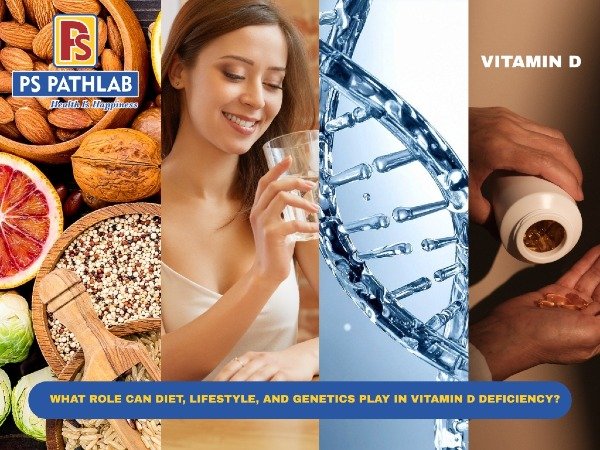
Even though we live in a world with advanced technology, we still have health problems that come from modern life. Vitamin D deficiency is one such issue that is surprisingly common, even though we have access to food and healthcare. Vitamin D, which is sometimes called the "sunshine vitamin," is important for the immune system, mood, and bones. But it is mostly missing because of genetics, lifestyle choices, and food. Let's look at the causes of vitamin D deficiency in this blog to learn more about how our biology and daily lives affect our health.
Few foods that are high in vitamin D
There aren't many foods that naturally contain vitamin D. Egg yolks, fatty fish (like mackerel and salmon), and fortified foods (like milk and cereals) are some examples. But not everyone eats these foods very often. Vegetarian or vegan diets make it even harder to get this important vitamin, which makes the risk of not getting enough of it higher.
Problems with absorption
Some things can make it harder for your body to absorb vitamin D, even if you eat a lot of foods that are high in it. For example, liver or kidney problems, as well as digestive diseases like Crohn's disease or celiac disease, can make it harder for your body to use vitamin D.
Not enough supplements
People who don't take dietary supplements regularly or who only take multivitamins with low vitamin D levels may still not get enough vitamin D.
Lifestyle Factors Leading to Causes of Vitamin D Deficiency
Not Enough Sunlight
The body needs sunlight to make vitamin D. Because we spend so much time indoors for work, school, and fun, we don't get enough UVB rays. People who live in cities with a lot of pollution are also exposed to smog that blocks sunlight.
Too much sunscreen
Sunscreen keeps us safe from harmful UV rays, but too much of it stops our skin from making vitamin D. It's important to find a balance between getting natural sunlight and protecting your skin from the sun.
Lifestyle Factors Leading to Causes of Vitamin D Deficiency
Not Enough Sunlight
The body needs sunlight to make vitamin D. Because we spend so much time indoors for work, school, and fun, we don't get enough UVB rays. People who live in cities with a lot of pollution are also exposed to smog that blocks sunlight.
Too much sunscreen
Sunscreen keeps us safe from harmful UV rays, but too much of it stops our skin from making vitamin D. It's important to find a balance between getting natural sunlight and protecting your skin from the sun.
Genetics and Lack of Vitamin D
Genetically Based Variations in Vitamin D Metabolism
Our genetic makeup plays a big role in how well our bodies break down vitamin D. Some people are more likely to be deficient in this vitamin than others, even if they get enough sun or eat a balanced diet. This is because of genetic differences that make it harder for them to absorb or use the vitamin. This is also one of the main reasons why people don't get enough vitamin D.
History of the Family
A higher risk of deficiency within families may be suggested by a predisposition to conditions such as osteoporosis, autoimmune diseases, or anomalies of the vitamin D receptor.
The Long-Term Effects of Not Getting Enough Vitamin D
- Long-term deficiencies can make bones weak and misshapen, like in kids with rickets and adults with osteomalacia.
- Weak Immune System: Not getting enough vitamin D makes you more likely to get sick, especially in the winter.
- Mood Disorders: Low levels of vitamin D have been linked to seasonal affective disorder (SAD) and depression.
- Chronic Diseases: New research has shown that not getting enough vitamin D can make you more likely to get diabetes, heart disease, and even some types of cancer.
- FAQS
Q1. Kya hum apni regular diet se Vitamin D ki kami ko poora kar sakte hain?
Ans Hamari rozana ki diet mein Vitamin D ke natural sources bahut kam hote hain. Halanki fatty fish, egg yolks aur fortified foods ko diet mein shamil karke thodi madad milti hai, lekin sirf diet ke bharose rehna aksar kafi nahi hota kyunki hamari body ko dhoop ki bhi sakht zaroorat hoti hai.
Q2. Vegetarian ya Vegan diet lene walo ko Vitamin D ki kami ka khatra zyada kyun hota hai?
Ans Vegetarian aur khaas karke Vegan diet mein Vitamin D ke options limited hote hain. Zyada tar Vitamin D animal-based diet (jaise machhli ya dairy) mein milta hai, isliye jo log plant-based diet follow karte hain, unhe supplements ya fortified diet par zyada dhayan dena padta hai.
Q3. Kya Digestive problems hamari diet se Vitamin D lene ki shamta ko rok sakti hain?
Ans Ji haan, agar aap ek behtareen Vitamin D rich diet le rahe hain lekin aapko Crohn’s ya Celiac jaisi bimari hai, toh aapka shareer us diet se vitamin ko absorb nahi kar payega. Aise mein sahi diet lene ke bawajood sharer mein kami bani rehti hai.
Q4. Kya "Fortified Diet" ka matlab Vitamin D deficiency ka solution hai?
Ans Fortified diet ka matlab hai un khane ki cheezon ka sevan karna jisme alag se Vitamin D milaya gaya ho, jaise ki fortified milk ya cereals. Agar aapki natural diet kamzor hai, toh fortified diet ek achha backup sabit ho sakti hai.
Q5. Kya genetics hamari diet aur Vitamin D ke rishte ko prabhavit karti hai?
Ans Bilkul. Kuch logon ki genetic banawat aisi hoti hai ki wo ek achhi aur santulit diet lene ke baad bhi Vitamin D ko sahi se process nahi kar paate. Aise logon ko apni diet ke saath-saath doctor ki salah par special supplements ki zaroorat hoti hai.
Q6. Ek balanced diet ke saath Vitamin D deficiency se kaise bachein?
Ans Ek healthy lifestyle ke liye aapko apni diet mein dahi, paneer aur ande jaise foods shamil karne chahiye. Lekin yaad rakhein ki Vitamin D ke liye sirf diet hi kafi nahi, dhoop aur sahi lifestyle bhi utna hi zaroori hai jitni ki aapki diet.