
Fatty Liver – A Complete Overview
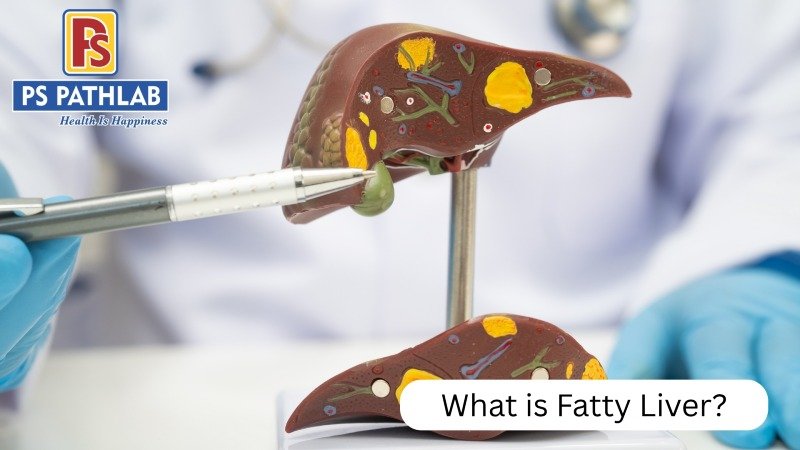
What is Fatty Liver?
Fatty liver is a medical condition in which excess fat accumulates in the liver or within liver cells. A healthy liver normally contains only a small amount of fat and helps with food processing, energy storage, and waste removal. When too much fat builds up — generally more than 5% of the liver's weight — it begins to impair these functions. Over time, this can lead to liver swelling, damage, and scarring.
There are two main types:
- Metabolic Associated Fatty Liver Disease (MAFLD) – The most common type, linked to obesity, diabetes, high cholesterol, and low physical activity. It can occur without any alcohol use.
- Alcohol-related Fatty Liver Disease – Caused by excessive and regular drinking, which damages liver cells and causes fat to accumulate over time.
Symptoms of Fatty Liver
Most people with fatty liver experience no symptoms at all. However, some signs of liver damage may include: fatigue, unexplained weight loss, dark urine, jaundice, pain in the upper right part of the abdomen, and liver enlargement.
Causes of Fatty Liver
Fatty liver can result from a variety of factors, including obesity, Type 2 diabetes, insulin resistance, excessive alcohol consumption, high cholesterol, lack of physical exercise, and polycystic ovary syndrome (PCOS).
Treatment of Fatty Liver
There is no single medication for fatty liver, but the condition can often be improved through the following:
- Lifestyle changes – Gradual weight loss helps reduce liver fat and inflammation.
- Healthy diet – Focus on fruits, vegetables, and whole grains. Avoid sugary, oily, and processed foods.
- Regular exercise – Daily physical activity such as jogging improves liver and overall health.
- Managing underlying conditions – Keeping diabetes, cholesterol, and blood pressure under control protects the liver.
- Avoiding alcohol – Stopping alcohol consumption can significantly reduce liver damage.
Frequently Asked Questions
How can fatty liver be reversed? Healthy eating habits, regular exercise, gradual weight loss, and complete abstinence from alcohol can help improve and even reverse fatty liver.
What foods are good for fatty liver? Fruits, vegetables, whole grains, and low-fat foods are beneficial. Avoid excess salt, sugar, fried foods, and processed snacks.
What are the main causes of fatty liver? The primary causes are unhealthy eating habits, lack of exercise, obesity, diabetes, and excessive alcohol consumption.
FAQS
Q1. What exactly is Fatty Liver? Fatty Liver is a medical condition characterized by the accumulation of excess fat within the liver cells. While a small amount of fat is normal, a liver is medically classified as a Fatty Liver when fat makes up more than 5% of the organ's total weight.
Q2. What are the early warning signs of Fatty Liver? In most cases, Fatty Liver is a silent condition with no obvious symptoms. However, some individuals with Fatty Liver may experience persistent fatigue, unexplained weight loss, or a dull pain in the upper right abdomen where the liver is located.
Q3. Is it possible to reverse Fatty Liver? Yes, Fatty Liver is often reversible, especially in its early stages. By adopting a healthy diet, losing weight gradually, and staying active, you can reduce liver fat and successfully reverse Fatty Liver damage.
Q4. What are the primary causes of Fatty Liver disease? The most common causes of Fatty Liver include obesity, Type 2 diabetes, high cholesterol, and poor dietary habits. Additionally, excessive alcohol consumption is a leading cause of Alcohol-related Fatty Liver, while metabolic issues lead to Non-Alcoholic Fatty Liver.
Q5. What is the best diet for someone with Fatty Liver? A diet rich in whole grains, green leafy vegetables, and fruits is ideal for managing Fatty Liver. To protect your liver, you must avoid sugary drinks, fried foods, and highly processed snacks, as these contribute significantly to Fatty Liver progression.
Q6. Can exercise help in treating Fatty Liver? Regular physical activity is one of the most effective ways to treat Fatty Liver. Engaging in 30 to 150 minutes of moderate exercise per week helps burn the fat stored in the liver, directly reducing the severity of Fatty Liver.
Q7. What happens if Fatty Liver is left untreated? If Fatty Liver is ignored, it can lead to more serious complications such as liver inflammation (steatohepatitis), permanent scarring (cirrhosis), or even liver failure. Early detection is key to preventing Fatty Liver from becoming life-threatening.
Q8. Does alcohol always cause Fatty Liver? No, while alcohol is a major factor, many people develop Fatty Liver without drinking. This is known as Non-Alcoholic Fatty Liver Disease (NAFLD), which is usually triggered by metabolic factors like high blood sugar and excess body weight.