
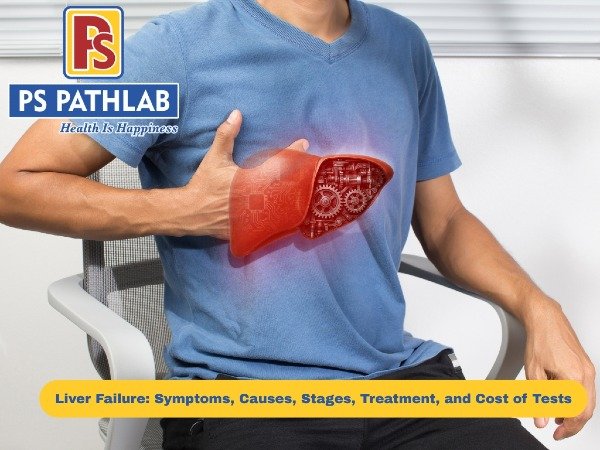
The liver is the biggest gland in your body and does a lot of important things. Damage to the liver can lead to different kinds of health problems that can cause liver failure, which can happen suddenly (acute) or slowly (chronic).
What is liver failure?
In simple terms, liver failure is when your liver can't do its job right. The condition can be either acute or chronic. It is a life-threatening condition, and cases of serious liver damage need medical attention right away.
How long can someone with liver failure live?
If liver problems are found early, they can be treated with medicine and changes to how you live. If the liver completely shuts down, though, you only have two days to live unless you get emergency care.
Signs of Liver Failure
You can talk about the symptoms of liver failure based on either the first signs of liver failure or the last signs of liver failure.
Early Signs of Liver Failure
Fatigue and Tiredness
Nausea
Loss of Appetite
Vomiting
Abdominal Discomfort
Symptoms of End-Stage Liver Failure
Jaundice (yellowing of the skin and eyes)
- Bruising and Bleeding Easily
- Confusion and Disorientation
- Edema (swelling in the arms, legs, or abdomen)
- Dark-Colored Urine
- Persistent Itchiness
Stages of Liver Failure
The progression to liver failure typically occurs in four stages as outlined by the American Liver Foundation:
1. Inflammation
At this initial stage, the liver becomes inflamed, though symptoms may be absent. Without appropriate intervention, this inflammation can cause damage that becomes irreversible over time.
2. Fibrosis
If inflammation remains untreated, scar tissue begins to form in the liver, leading to a condition called fibrosis. Healthy liver tissue is gradually replaced by this scar tissue, which impedes normal liver function. Prompt medical attention during this phase can help preserve liver health and slow further progression.
3. Cirrhosis
The liver at this stage is severely scarred, leading to compromised functionality. Symptoms such as fatigue, weakness, and complications like liver cancer are more likely to arise. Cirrhosis itself cannot be reversed but further deterioration may be managed with timely treatment. Without intervention, the liver may stop functioning altogether.
4. End-Stage Liver Disease (ESLD)
In this final stage, the damage to the liver becomes so severe that survival usually depends on receiving a liver transplant. The odds of survival vary and depend on the severity of symptoms and any associated complications.
Causes of Liver Failure
Liver failure can be broadly categorized into *acute* or *chronic* causes. However, in some cases, the exact cause may remain unknown.
Acute Liver Failure and Its Causes:
Acute liver failure occurs suddenly and progresses rapidly. Often, patients have no previous history of liver disease. Common causes include:
- Overdose: Excessive consumption of drugs such as acetaminophen.
- Wilson’s Disease: A rare genetic disorder causing copper build-up in the body.
- Reye’s Syndrome: A rare condition causing liver and brain swelling, often seen in children recovering from viral infections.
- Budd-Chiari Syndrome: A blockage in the hepatic veins that carry blood out of the liver.
Chronic Liver Failure and Its Causes:
Chronic liver failure develops more gradually over time and is often linked to long-term damage to the liver. Common causes include:
- Prolonged alcohol consumption (Alcohol-Related Liver Disease or ARLD).
- Chronic infections like Hepatitis B or C.
- Autoimmune Hepatitis (where the immune system mistakenly attacks the liver).
- Nonalcoholic Fatty Liver Disease (caused by fat build-up in the liver).
Treatment for Liver Failure
Treating liver failure depends on identifying and addressing its underlying cause:
1. For Viral or Infectious Causes: Antiviral medications or other targeted therapies are typically prescribed to manage the disease and prevent further damage.
2. For Alcohol-Induced Liver Issues: Lifestyle changes, particularly avoiding alcohol completely, are essential for treatment. While early-stage liver damage can often be reversed with proper care, such as during the inflammation or fibrosis stages, cirrhosis is irreversible. Treatment in these cases focuses on preventing further damage.
3. For End-Stage Liver Disease (ESLD): A liver transplant is typically the only viable treatment option for long-term survival when the damage is severe and life-threatening.
If you experience any symptoms of potential liver damage, consult a healthcare professional immediately for diagnosis and guidance.
For further reading: Alcoholic Liver Disease Symptoms, Damage Causes, Treatment.
It’s also worth noting that comprehensive testing may be required; contact diagnostic labs for information regarding liver failure test costs.
Certainly! Here are the FAQs based on the information provided, specifically structured to mention the word "liver" as frequently as possible to emphasize the focus on liver health.
Frequently Asked Questions: Understanding Liver Failure
1. What exactly is liver failure?
Liver failure occurs when your liver loses its ability to perform its essential life-sustaining functions. This liver condition can be categorized as acute liver failure (sudden) or chronic liver failure (gradual). Because the liver is the body's largest gland, any major liver damage is considered a medical emergency.
2. How long can a person survive once the liver stops functioning?
The liver is vital for life. If the liver completely shuts down and stops working, a person may only have about two days to live unless they receive immediate emergency medical care for their liver. However, if liver problems are detected in the early liver disease stages, the liver can often be managed with medicine.
3. What are the early signs that the liver is struggling?
Early liver failure symptoms can be subtle. You might notice signs that your liver is unhealthy through:
- General liver-related fatigue and tiredness.
- Nausea and loss of appetite due to poor liver function.
- Vomiting or general discomfort in the liver area (abdomen).
4. What happens during end-stage liver failure?
As liver damage progresses to the final stages, more severe liver symptoms appear, such as:
- Jaundice: Yellowing of the eyes/skin because the liver can't process bilirubin.
- Easy Bleeding: The liver stops producing enough clotting factors.
- Edema: Swelling in the limbs or abdomen caused by liver scarring.
- Mental Confusion: Toxins build up in the blood because the liver isn't filtering them.
5. What are the four stages of liver failure?
According to the American Liver Foundation, liver deterioration follows four stages:
- Liver Inflammation: The liver becomes inflamed; early liver intervention here is key.
- Liver Fibrosis: Untreated inflammation leads to scar tissue in the liver.
- Liver Cirrhosis: Severe liver scarring where healthy liver tissue is replaced by scars.
- End-Stage Liver Disease (ESLD): The final stage where the liver is failing completely.
6. What causes the liver to fail suddenly (Acute)?
Acute liver failure happens quickly, even if you have no history of liver disease. Common causes of sudden liver failure include:
- Liver poisoning from an acetaminophen overdose.
- Rare conditions like Wilson’s Disease (copper buildup in the liver) or Reye’s Syndrome.
- Blockages in the veins leading away from the liver (Budd-Chiari Syndrome).
7. What causes long-term liver damage (Chronic)?
Chronic liver failure is the result of years of liver damage. The most common causes of chronic liver issues are:
- Long-term alcohol consumption leading to alcohol-related liver disease.
- Chronic liver infections like Hepatitis B or C.
- Non-alcoholic fatty liver disease (fat buildup in the liver).
8. Is there a treatment to save the liver?
Liver treatment depends on the stage of the liver disease:
- Early Stages: Liver inflammation and liver fibrosis can often be managed or reversed.
- Cirrhosis: This stage of liver damage is irreversible, but further liver decay can be slowed.
- End-Stage: When the liver is beyond repair, a liver transplant is usually the only option for survival.