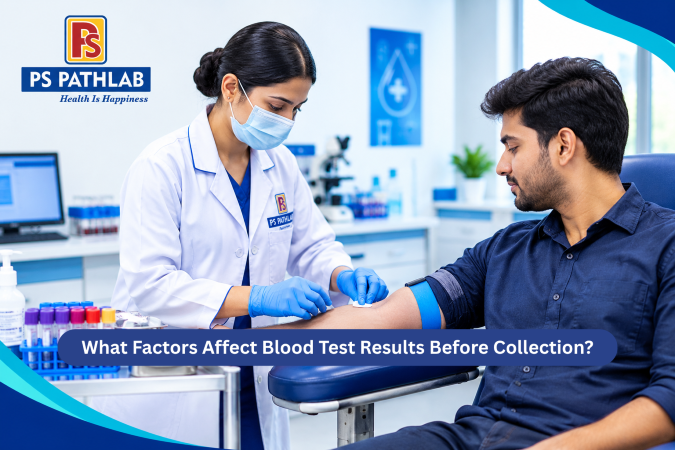


A blood test is one of the most common ways to check your overall health, detect nutritional deficiencies, monitor chronic conditions, and identify potential health problems early. However, some blood tests require fasting, while others can be performed without fasting.
Knowing the correct blood test fasting requirements is important because eating, drinking certain beverages, or taking some supplements before a test can sometimes affect the results.
In this guide, we explain which blood tests require fasting, which blood tests do not require fasting, how long to fast before a blood test, and what you can drink during fasting.
What Does Fasting Before a Blood Test Mean?
Fasting before a blood test generally means avoiding food and caloric beverages for a specified period before your blood sample is collected.
For tests that require fasting, healthcare professionals may commonly recommend fasting for around 8–12 hours, depending on the test and laboratory instructions.
During the fasting period, plain water is generally allowed unless your doctor or laboratory gives you different instructions.
The exact preparation depends on the test being performed, so always follow the instructions provided by your doctor or diagnostic laboratory.
Which Blood Tests Require Fasting?
Not every blood test requires fasting. Some tests are more sensitive to recent food intake and may require fasting for accurate interpretation.
1. Lipid Profile
A lipid profile measures cholesterol and triglycerides in the blood. Depending on the specific test and clinical situation, fasting may be recommended, particularly when triglycerides need to be assessed accurately.
Your doctor or laboratory can tell you whether fasting is necessary for your lipid test.
2. Fasting Blood Sugar Test
A fasting blood sugar test specifically requires fasting because the test measures blood glucose after a period without food.
It is commonly used to evaluate blood sugar levels and screen for diabetes or prediabetes.
3. Some Metabolic and Biochemistry Tests
Certain metabolic or biochemical tests may require fasting because food intake can temporarily affect substances measured in the blood.
The fasting requirement can vary depending on the individual test and laboratory protocol.
Which Blood Tests Do Not Usually Require Fasting?
Many commonly performed blood tests can generally be done without fasting.
CBC Test
A Complete Blood Count (CBC) measures blood cells, including red blood cells, white blood cells, hemoglobin, and platelets.
Fasting is generally not required for a CBC test.
HbA1c Test
An HbA1c test provides an estimate of average blood glucose levels over approximately the previous 2–3 months.
Fasting is generally not required for HbA1c.
Thyroid Tests
Common thyroid tests such as TSH, T3, and T4 generally do not require fasting.
However, medication timing and other instructions may vary, so follow your doctor's advice.
Vitamin B12 Test
A vitamin B12 blood test usually does not require fasting, although your healthcare provider may give specific instructions depending on other tests being performed at the same time.
Vitamin D Test
A vitamin D blood test generally does not require fasting.
Calcium Blood Test
Fasting is not always required for a calcium blood test. However, if calcium is being tested along with other investigations, your healthcare provider may recommend fasting.
Blood Tests That May Require Fasting vs. Usually Don't
Blood Test: Is Fasting Usually Required?
Fasting Blood Sugar | Yes
Lipid Profile | Sometimes, depending on the test
CBC | Usually No
HbA1c | Usually No
TSH / Thyroid Tests | Usually No
Vitamin B12 | Usually No
Vitamin D | Usually No
Calcium | Usually No
Iron Studies | May be recommended in some situations
Liver Function Tests | Depends on the specific test/panel
Kidney Function Tests | Depends on the specific test/panel
Important: Fasting requirements can vary according to the test, laboratory, medications, and your doctor's instructions. Always confirm before your test.
How Many Hours Should You Fast Before a Blood Test?
If your test requires fasting, your doctor or laboratory may instruct you to fast for a specific duration, commonly around 8–12 hours.
For example, if your blood test is scheduled for 8:00 AM and you have been instructed to fast for 8 hours, you may need to stop eating around midnight.
Do not extend the fasting period unnecessarily. Follow the exact instructions provided by your healthcare professional or laboratory.
Can I Drink Water Before a Fasting Blood Test?
In most cases, plain water is allowed during fasting.
Staying hydrated can also make blood collection easier for some people.
However, avoid adding:
- Sugar
- Honey
- Milk
- Cream
- Juice
- Flavoured syrups
to your water unless your healthcare provider specifically allows them.
Can I Drink Tea or Coffee Before a Fasting Blood Test?
If you have been instructed to fast, it is safest to avoid tea, coffee, milk, juice, soft drinks, and other caloric beverages unless your healthcare provider or laboratory says otherwise.
Even without added sugar, coffee or other beverages may affect certain test results or conflict with the laboratory's fasting instructions.
Can I Take Medicines Before a Blood Test?
Do not stop prescribed medicines simply because you need to fast.
Some medications may need to be taken at a specific time, while others can affect certain test results. Ask your doctor or laboratory whether you should take your regular medicines before the test.
If you take vitamins, supplements, or other non-prescription products, mention them to your healthcare provider when appropriate.
What Happens If You Eat Before a Fasting Blood Test?
Eating before a test that requires fasting may influence certain results, particularly measurements related to blood glucose, triglycerides, and some metabolic markers.
If you accidentally eat or drink something other than water before a fasting test, inform the laboratory staff before your sample is collected. They can advise whether the test should proceed or be rescheduled.
Tips for Preparing for a Blood Test
Follow these simple blood test preparation tips:
- Confirm whether fasting is required.
- Ask how many hours you need to fast.
- Drink plain water unless instructed otherwise.
- Avoid alcohol before the test if advised.
- Avoid unnecessary strenuous exercise before certain tests.
- Follow your doctor's medication instructions.
- Inform the laboratory about medicines and supplements when relevant.
- Arrive on time for your appointment.
- Tell the technician if you feel weak, dizzy, or unwell during fasting.
- Follow the laboratory's specific preparation instructions.
Fasting Blood Test in Delhi
If you're looking for a fasting blood test in Delhi, choosing a reliable diagnostic laboratory can make the testing process more convenient.
For patients searching for blood tests in Rohini, Delhi, PS PathLab provides diagnostic testing services for a range of routine and specialized investigations. Patients can confirm the specific preparation requirements for their test before visiting the laboratory.
Whether you are searching for a blood test near me, a fasting blood test, or routine health testing, it is important to understand the preparation requirements before giving your sample.
Frequently Asked Questions
1. Which blood tests require fasting?
Tests such as fasting blood sugar require fasting, while some lipid and biochemical tests may also require fasting depending on the test and clinical instructions.
2. Which blood tests do not require fasting?
CBC, HbA1c, many thyroid tests, vitamin D, and vitamin B12 tests generally do not require fasting.
3. How long should I fast before a blood test?
When fasting is required, the recommended period is commonly around 8–12 hours, but always follow the instructions provided for your specific test.
4. Can I drink water during fasting?
Plain water is generally allowed during fasting unless your doctor or laboratory gives different instructions.
5. Is fasting required for a CBC test?
Usually, no. A CBC generally does not require fasting.
6. Is fasting required for an HbA1c test?
Usually, no. HbA1c can generally be performed without fasting.
7. Does a thyroid test require fasting?
Usually, fasting is not required for routine thyroid tests such as TSH, T3, and T4.
8. Does a vitamin B12 test require fasting?
Generally, no. However, follow the instructions provided if your B12 test is being performed along with other tests.
9. Can I drink coffee before a fasting blood test?
If you have been instructed to fast, it is safest to avoid coffee unless your healthcare provider or laboratory specifically permits it.
10. What should I do if I accidentally eat before a fasting blood test?
Tell the laboratory staff before the blood sample is collected. They can determine whether the test should proceed or be rescheduled.
Conclusion
Understanding fasting before a blood test can help you prepare correctly and avoid unnecessary repeat testing. While some investigations require fasting, many routine tests can be performed without it.
The most important step is to confirm the preparation requirements for your fasting-specific blood test with your doctor or diagnostic laboratory.
If you are planning a blood test in Delhi or Rohini, contact PS PathLab to confirm the required preparation before your visit.