

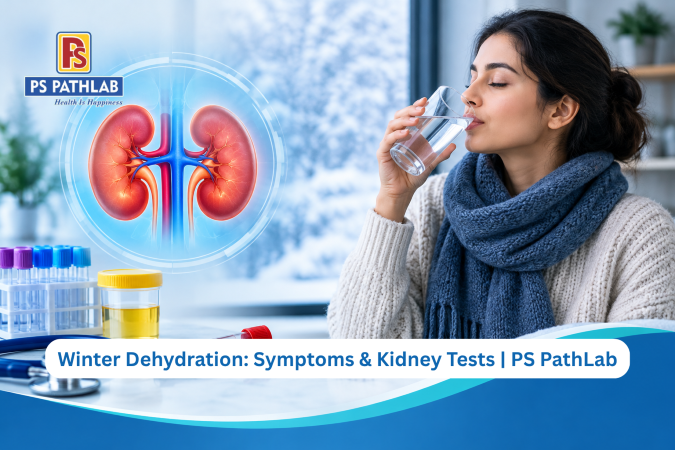
Winter Dehydration: Signs, Causes & Tests for Kidney Health
Winter dehydration is a common health concern that many people overlook. Unlike summer, when thirst and sweating remind us to drink water, cold weather can reduce our natural urge to drink fluids. As a result, the body may become dehydrated even when we do not feel particularly thirsty.
Dehydration occurs when the body loses more fluids than it takes in. If left unaddressed, it can affect normal body functions and, in more severe cases, contribute to kidney problems. Understanding the signs of winter dehydration and knowing which tests can help assess kidney health can support better health decisions.
At PS PathLab, we believe that accurate diagnostic testing and preventive healthcare play an important role in maintaining overall well-being.
What Is Winter Dehydration?
Winter dehydration occurs when your body does not receive enough fluids to replace the water it loses. During colder months, people may drink less water because they feel less thirsty. However, the body continues to lose fluids through urination, breathing, sweating, and other normal processes.
Cold weather can also increase urine production in some people, while dry indoor heating may contribute to moisture loss.
Staying hydrated throughout winter is important for maintaining normal circulation, temperature regulation, and kidney function.
What Are the Common Signs of Dehydration in Winter?
Recognizing the early symptoms of dehydration can help you take appropriate action.
Common signs include:
- Dark yellow urine: Urine may become more concentrated when you are not drinking enough fluids.
- Reduced urination: You may pass urine less frequently than usual.
- Dry mouth and lips: A persistent dry feeling may indicate inadequate fluid intake.
- Headaches: Dehydration can contribute to headaches in some people.
- Fatigue and weakness: Low fluid levels may affect your energy and concentration.
- Dizziness: Dehydration can cause light-headedness, particularly when standing up.
- Constipation: Inadequate fluid intake can make stools harder and more difficult to pass.
Urine color alone cannot diagnose dehydration, and these symptoms may have other causes. Seek urgent medical attention for severe confusion, fainting, or very little or no urine.
Why Does Dehydration Happen During Winter?
Several everyday habits and environmental factors can increase the risk of dehydration during cold weather.
1. Reduced Thirst
Cold weather can make you feel less thirsty, even when your body needs fluids. This may lead to lower water intake throughout the day.
2. Increased Urination
Cold exposure can cause the body to produce more urine in some circumstances. If fluid intake does not replace these losses, dehydration may occur.
3. Dry Indoor Air
Indoor heating and dry air can increase moisture loss through breathing and the skin.
4. Excessive Consumption of Caffeinated Drinks
Tea and coffee contribute to fluid intake, but relying on them alone may not be the best hydration strategy. Water remains a practical everyday choice.
5. Illness and Certain Medications
Fever, vomiting, diarrhea, and some medicines, including diuretics, can increase the risk of dehydration. People taking prescribed medicines should consult their healthcare professional before making any changes.
Can Dehydration Affect Your Kidney Health?
Yes. Your kidneys filter waste products from the blood and help regulate the body's fluid and electrolyte balance.
When dehydration reduces the amount of fluid circulating in the body, blood flow to the kidneys may decrease. Mild dehydration may cause temporary changes in kidney-related blood test results. Severe or prolonged dehydration can lead to acute kidney injury, particularly in vulnerable individuals.
Possible warning signs that need medical assessment include:
- A significant reduction in urine output
- Persistent nausea or vomiting
- Swelling around the legs or ankles
- Unusual or persistent fatigue
- Blood in the urine
- Persistent pain in the side or back
These symptoms do not necessarily mean that you have kidney disease. A healthcare professional can assess your symptoms, medical history, and test results to determine the cause.
Which Tests Can Help Check Kidney Health?
If you have symptoms of dehydration or concerns about your kidney health, a healthcare professional may recommend one or more of the following tests.
1. Kidney Function Test (KFT)
A kidney function test, commonly called KFT, is a group of blood tests used to assess kidney function. Depending on the laboratory panel, it may include measurements such as creatinine, urea, and electrolytes.
KFT results can help a healthcare professional assess kidney function and identify abnormalities that may require further investigation.
2. Serum Creatinine Test
Creatinine is a waste product produced by normal muscle activity and removed from the blood by the kidneys.
An elevated creatinine level can indicate reduced kidney filtration, but dehydration, certain medicines, muscle mass, and other factors can also affect the result. A healthcare professional interprets the value in context, often alongside the estimated glomerular filtration rate (eGFR).
3. Blood Urea Test
Urea is a waste product formed when the body breaks down protein. Its level in the blood may rise with dehydration, reduced kidney function, or other conditions.
A blood urea result alone cannot establish the cause of an abnormality.
4. Urine Routine and Microscopy Test
A urine routine and microscopy test can help assess urine concentration and identify findings such as blood, protein, or signs that may suggest a urinary tract infection.
Depending on the clinical situation, a healthcare professional may recommend additional urine testing, such as a urine albumin-to-creatinine ratio, to assess kidney damage.
5. Electrolyte Testing
Electrolytes such as sodium and potassium help regulate fluid balance, nerve function, and muscle activity. These levels may become abnormal in certain cases of dehydration or kidney dysfunction.
Your healthcare professional will decide which tests are appropriate based on your symptoms and risk factors.
Who Should Pay Extra Attention to Kidney Health During Winter?
Some people may be more vulnerable to dehydration or its complications, including:
- Older adults who may have a reduced sensation of thirst
- People living with diabetes
- People with existing kidney disease
- Individuals taking diuretics or other medicines that affect fluid balance
- People experiencing fever, vomiting, or diarrhea
- Individuals who do not drink enough fluids throughout the day
People with heart or kidney conditions may have specific fluid restrictions. They should follow their healthcare professional's advice rather than automatically increasing their water intake.
How Can You Prevent Winter Dehydration?
Simple habits can help you maintain hydration during the colder months.
1. Drink water regularly: Do not rely only on thirst. Keep water accessible throughout the day.
2. Eat water-rich foods: Include foods such as oranges, cucumber, soups, and other fruits and vegetables as part of a balanced diet.
3. Monitor changes in urination: Notice significant changes in urine output or color, while remembering that these are not definitive diagnostic indicators.
4. Stay hydrated during physical activity: Exercise and heavy clothing can increase fluid loss even in cold weather.
5. Follow medical advice: If you have kidney disease, heart disease, or a prescribed fluid restriction, discuss your hydration needs with your healthcare professional.
6. Consider testing when recommended: If you have persistent symptoms or risk factors for kidney problems, a clinician may recommend kidney function or urine tests.
When Should You Get a Kidney Function Test?
You may need a kidney function assessment if your healthcare professional recommends it because of symptoms, diabetes, high blood pressure, existing kidney disease, or other risk factors.
A kidney function test may also be advised when evaluating suspected dehydration-related complications. However, routine testing is not necessary for every healthy person with mild thirst.
If you experience severe dizziness, confusion, fainting, very little urine, or an inability to keep fluids down, seek prompt medical attention rather than relying on a diagnostic test alone.
Frequently Asked Questions (FAQs)
1. Can you get dehydrated in winter?
Yes. People can become dehydrated in winter because they may drink less water, lose fluids through breathing and urination, or experience fluid loss due to illness or physical activity.
2. What are the early signs of winter dehydration?
Early signs may include thirst, dry mouth, darker urine, headaches, fatigue, and reduced urination. Symptoms vary from person to person.
3. Can dehydration increase creatinine levels?
Yes. Significant dehydration can reduce blood flow to the kidneys and may increase blood creatinine levels. An abnormal result needs medical interpretation to identify the underlying cause.
4. Which blood test checks kidney function?
A Kidney Function Test (KFT), which may include creatinine, urea, and electrolytes, can help assess kidney function. The exact tests included vary by laboratory.
5. Can a urine test detect dehydration?
A urine test can provide information about urine concentration and other urinary findings. However, urine testing alone does not reliably diagnose dehydration in every situation.
6. How much water should I drink during winter?
Fluid requirements vary depending on age, activity, climate, medical conditions, and medicines. Drink regularly throughout the day and follow your healthcare professional's guidance if you have a fluid restriction.
7. Is a KFT necessary if I have dark yellow urine?
Not necessarily. Dark yellow urine can occur when urine is concentrated, but it may also have other causes. A healthcare professional can decide whether testing is needed based on your symptoms and medical history.
8. Where can I get a Kidney Function Test in Pitampura, Delhi?
You can contact PS PathLab to enquire about KFT availability, test details, pricing, and sample collection options.
PS PathLab
Website: https://www.pspathlab.com
Location: 198 Deepali Enclave, Pitampura, Delhi – 110034
Phone: +91 96674 92046
Contact the laboratory to confirm current test availability and home sample collection services.
Conclusion
Winter dehydration can be easy to overlook, but maintaining adequate hydration is important for normal kidney function and overall health. Recognising possible symptoms, understanding your risk factors, and seeking timely medical advice can help you take appropriate steps.
Kidney function tests, creatinine measurements, and urine tests may help assess kidney health when clinically indicated. Test results should always be interpreted alongside symptoms and medical history.
PS PathLab is committed to supporting informed healthcare decisions through diagnostic testing. If you have concerns about kidney health, consult a healthcare professional to determine whether a KFT or other investigation is appropriate.