
Thyroid in Winter: Symptoms of Hypothyroidism & Thyroid Tests
Winter Health Guide by PS PathLab
As temperatures drop, many people experience increased sensitivity to cold, tiredness, dry skin, or changes in energy levels. While these symptoms can occur during winter for several reasons, they may sometimes be associated with hypothyroidism, a condition in which the thyroid gland does not produce enough thyroid hormones.
Understanding the symptoms of hypothyroidism and knowing when thyroid testing may be appropriate can help you take better care of your health.
At PS PathLab, Pitampura, Delhi, we support informed healthcare decisions through reliable diagnostic testing and convenient sample collection services.
What Is Hypothyroidism?
Hypothyroidism, also known as an underactive thyroid, occurs when the thyroid gland does not produce sufficient thyroid hormones to meet the body's needs.
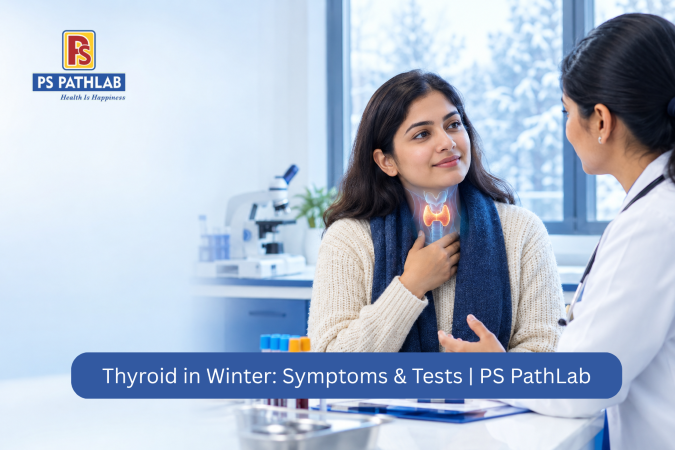
The thyroid is a small, butterfly-shaped gland located at the front of the neck. Its hormones help regulate metabolism, body temperature, energy levels, heart rate, and several other body functions.
When thyroid hormone levels are low, some symptoms may become more noticeable during cold weather. However, winter symptoms alone cannot confirm a thyroid disorder.
Common Symptoms of Hypothyroidism in Winter
Watch for the following symptoms, especially if they persist or affect your daily routine.
1. Increased Sensitivity to Cold
Do you feel unusually cold even when other people are comfortable? Increased sensitivity to cold can be a symptom of hypothyroidism because thyroid hormones help regulate metabolism and heat production.
2. Persistent Fatigue and Low Energy
Feeling tired despite getting enough sleep may be associated with an underactive thyroid. However, fatigue can also result from poor sleep, anemia, nutritional deficiencies, or other health conditions.
3. Dry Skin and Hair Changes
Cold weather can naturally make your skin dry. In some people with hypothyroidism, the skin may become unusually dry, and hair may become coarse or thinner.
4. Unexplained Weight Gain
Hypothyroidism can contribute to weight gain, although the amount varies. Reduced activity during winter, dietary changes, and other factors can also affect body weight.
5. Constipation
Thyroid hormones influence digestive activity. Low thyroid hormone levels may slow digestion and contribute to constipation.
6. Difficulty Concentrating or Low Mood
Some people with hypothyroidism experience difficulty concentrating, memory problems, or low mood. These symptoms have many possible causes and should be evaluated in context.
Important: These symptoms do not necessarily indicate a thyroid disorder. Consult a qualified healthcare professional if symptoms persist or worsen.
Why Can Thyroid Symptoms Feel More Noticeable in Winter?
Cold weather can make cold intolerance more noticeable in people with hypothyroidism. Winter may also bring changes in physical activity, sleep, diet, and mood that affect how people feel.
However, winter does not automatically mean that thyroid function is worsening. Thyroid problems cannot be diagnosed from seasonal symptoms alone, and thyroid medication should not be changed without medical advice.
Which Blood Tests Check Thyroid Function?
Thyroid blood tests help healthcare professionals assess how well the thyroid gland is functioning.
1. TSH (Thyroid-Stimulating Hormone) Test
The TSH test is commonly used as an initial test when hypothyroidism is suspected. TSH is produced by the pituitary gland and helps regulate thyroid hormone production.
An elevated TSH level can indicate primary hypothyroidism, but results must be interpreted alongside symptoms, other test results, and the individual's medical history.
2. Free T4 Test
The free T4 test measures the unbound portion of thyroxine in the blood. It is often used alongside TSH to help determine whether thyroid hormone levels are low.
3. T3 Test
T3 testing may be useful in selected clinical situations, particularly when hyperthyroidism is suspected. It is not usually the primary test for diagnosing hypothyroidism.
4. Thyroid Antibody Tests
Tests such as thyroid peroxidase antibodies (anti-TPO) may be recommended when an autoimmune thyroid condition, such as Hashimoto's thyroiditis, is suspected.
Which test should you choose? A TSH test is commonly the starting point, while free T4, T3, or antibody testing may be recommended depending on your symptoms and initial results. A healthcare professional can advise you on the appropriate tests.
Do You Need a Thyroid Test in Winter?
Consider discussing thyroid testing with a healthcare professional if you experience persistent or unexplained symptoms such as
- Unusual sensitivity to cold.
- Ongoing fatigue or weakness.
- Unexplained weight changes.
- Persistent constipation or dry skin.
- Hair changes alongside other symptoms.
- A known thyroid condition requiring follow-up.
- A personal or family history that increases your risk of thyroid disease.
People with previously diagnosed thyroid conditions should follow their clinician's recommended monitoring schedule.
Do You Need to Fast Before a Thyroid Blood Test?
Fasting is generally not required for routine TSH and thyroid hormone blood tests. However, follow the instructions provided by your healthcare professional or laboratory.
If you take thyroid medication or supplements containing biotin, inform your healthcare professional because medication timing and certain supplements may affect test interpretation or laboratory results.
Where Can You Get a Thyroid Test in Pitampura, Delhi?
If you are looking for thyroid testing in Pitampura, Delhi, PS PathLab offers diagnostic testing services to help you monitor your health.
PS PathLab
- Address: 198, Deepali Enclave, Pitampura, Basement, Delhi – 110034
- Phone: +91 96674 92046
- Website: https://www.pspathlab.com
Contact PS PathLab to inquire about available thyroid tests, sample collection options, and current pricing.
Frequently Asked Questions (FAQs)
1. What are the symptoms of hypothyroidism in winter?
Common symptoms may include increased sensitivity to cold, fatigue, dry skin, constipation, unexplained weight gain, and difficulty concentrating. These symptoms can also occur due to other conditions.
2. Can cold weather cause hypothyroidism?
Cold weather does not directly cause hypothyroidism. However, people with an underactive thyroid may notice cold intolerance more strongly during winter.
3. Which blood test is best for detecting hypothyroidism?
TSH is commonly the initial blood test. Free T4 is often used alongside TSH to assess thyroid function and help confirm the diagnosis.
4. Is a thyroid profile test the same as a TSH test?
No. A TSH test measures thyroid-stimulating hormone, whereas a thyroid profile may include TSH, T3, and T4. The exact tests included depend on the laboratory's package.
5. Can hypothyroidism cause weight gain?
Yes. Hypothyroidism may contribute to weight gain, but weight changes can have many causes. Testing and clinical assessment help identify the underlying reason.
6. How often should I get my thyroid tested?
Testing frequency depends on your symptoms, previous results, medication, pregnancy status, and medical history. Follow your healthcare professional's advice.
7. Where can I get a thyroid test near Pitampura?
You can contact PS PathLab in Deepali Enclave, Pitampura, Delhi, to inquire about thyroid testing and available sample collection services.
Take Charge of Your Thyroid Health This Winter
Do not ignore persistent fatigue, unusual cold sensitivity, or unexplained changes in your health. Appropriate testing and professional medical advice can help identify whether a thyroid problem or another condition may be responsible.
PS PathLab – Accurate Reports • Trusted Diagnostics