
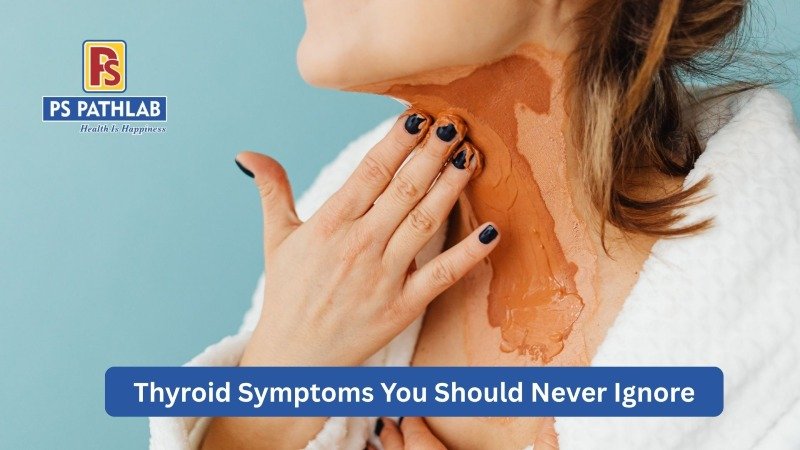
The thyroid is a small, butterfly-shaped gland located at the base of your neck, but it has a significant impact on your overall health. It produces hormones that regulate metabolism, heart rate, body temperature, energy levels, and many other essential body functions.
When the thyroid gland doesn't produce the right amount of hormones, it can lead to conditions such as hypothyroidism (underactive thyroid) or hyperthyroidism (overactive thyroid). Unfortunately, the symptoms often develop gradually and may be mistaken for stress, aging, or lifestyle changes.
Recognizing these warning signs early and getting a thyroid blood test can help prevent complications and ensure timely treatment.
What Does the Thyroid Do?
The thyroid gland releases two main hormones—T3 (Triiodothyronine) and T4 (Thyroxine)—that help regulate:
- Metabolism
- Heart rate
- Body temperature
- Energy production
- Brain function
- Muscle strength
- Digestive health
Even a slight imbalance in thyroid hormones can affect your overall well-being.
10 Thyroid Symptoms You Should Never Ignore
1. Unexplained Weight Gain
If you're gaining weight despite eating a balanced diet and staying active, it could be a sign of hypothyroidism. A slower metabolism caused by low thyroid hormone levels makes it easier to gain weight.
2. Sudden Weight Loss
Unexpected weight loss, even with an increased appetite, may indicate hyperthyroidism. An overactive thyroid speeds up metabolism, causing the body to burn calories faster than usual.
3. Constant Fatigue
Persistent tiredness that doesn't improve with rest is one of the most common symptoms of thyroid disorders. Low thyroid hormone levels can reduce energy production and leave you feeling exhausted throughout the day.
4. Hair Loss and Thinning
Thyroid hormone imbalance can disrupt the normal hair growth cycle, leading to excessive hair fall, thinning hair, or brittle strands.
5. Dry Skin
Rough, dry, and flaky skin may occur when the thyroid gland is underactive. Reduced hormone levels slow skin cell renewal and decrease natural moisture.
6. Mood Changes
Both hypothyroidism and hyperthyroidism can affect mental health. Symptoms may include depression, anxiety, irritability, difficulty concentrating, and memory problems.
7. Irregular Menstrual Cycles
Women with thyroid disorders may experience heavy periods, missed cycles, irregular menstruation, or difficulty conceiving.
8. Heart Rate Changes
An underactive thyroid can slow the heart rate, while an overactive thyroid may cause rapid heartbeat, palpitations, or irregular heart rhythms.
9. Swelling in the Neck
A visible swelling or lump in the neck may indicate an enlarged thyroid gland (goiter) or thyroid nodules. This symptom should always be evaluated by a healthcare professional.
10. Feeling Too Cold or Too Hot
People with hypothyroidism often feel unusually cold, while those with hyperthyroidism may experience excessive sweating and heat intolerance.
Who Is at Risk of Thyroid Disorders?
You may have a higher risk if you:
- Are over 35 years of age
- Are female
- Have a family history of thyroid disease
- Have diabetes or another autoimmune disorder
- Are pregnant or have recently given birth
- Have previously received radiation treatment to the neck
How Are Thyroid Problems Diagnosed?
A simple blood test can help detect thyroid disorders early. Your healthcare provider may recommend:
- TSH (Thyroid Stimulating Hormone)
- Free T3
- Free T4
- Complete Thyroid Profile
These tests help determine whether your thyroid is functioning normally and guide appropriate treatment.
Why Early Detection Matters
Ignoring thyroid symptoms may lead to long-term complications such as:
- High cholesterol
- Heart disease
- Infertility
- Osteoporosis
- Depression
- Pregnancy complications
- Reduced quality of life
Early diagnosis allows for timely treatment and better health outcomes.
When Should You Get a Thyroid Test?
You should consider a thyroid test if you experience:
- Persistent fatigue
- Unexplained weight changes
- Hair loss
- Mood swings
- Irregular periods
- Neck swelling
- Family history of thyroid disease
Regular screening is especially important for individuals with risk factors or ongoing symptoms.
Thyroid Testing at PS Path Lab
At PS Path Lab, we provide reliable thyroid testing with advanced laboratory technology and experienced professionals. Our services include:
- TSH Test
- T3 & T4 Tests
- Complete Thyroid Profile
- Accurate Reports
- Home Blood Collection in Delhi
- Quick Turnaround Time
Early testing can help identify thyroid disorders before they become more serious.
Conclusion
Thyroid disorders are common but often go unnoticed because their symptoms develop gradually. If you're experiencing fatigue, weight changes, hair loss, mood disturbances, or irregular menstrual cycles, don't ignore these warning signs. A simple thyroid blood test can provide valuable insights into your health and help you begin treatment early if needed.
Taking action today can protect your long-term health and improve your quality of life.
Frequently Asked Questions
1. What are the early signs of thyroid problems?
Early signs of thyroid problems include persistent fatigue, unexplained weight gain or weight loss, hair thinning, dry skin, constipation, mood changes, and sensitivity to cold or heat. These symptoms may develop gradually and should not be ignored.
2. What are the symptoms of hypothyroidism?
Common symptoms of hypothyroidism include weight gain, fatigue, dry skin, constipation, depression, slow heart rate, cold intolerance, puffy face, and memory problems.
3. What are the symptoms of hyperthyroidism?
Hyperthyroidism may cause rapid weight loss, increased appetite, anxiety, tremors, excessive sweating, heat intolerance, a fast heartbeat, difficulty sleeping, and frequent bowel movements.
4. When should I get a thyroid test?
You should consider a thyroid test if you experience ongoing fatigue, unexplained weight changes, hair loss, irregular menstrual cycles, mood swings, neck swelling, or have a family history of thyroid disease.
5. Which blood test is used to diagnose thyroid disorders?
The primary blood test is the TSH (Thyroid-Stimulating Hormone) test. Depending on your symptoms, your doctor may also recommend free T3, free T4, total T3, total T4, or a complete thyroid profile.
6. Can thyroid problems cause hair loss?
Yes. Both hypothyroidism and hyperthyroidism can interrupt the normal hair growth cycle, leading to excessive hair fall, thinning hair, and brittle strands.
7. Can thyroid disease cause weight gain?
Yes. Hypothyroidism slows your metabolism, making it easier to gain weight even if your eating habits have not changed.
8. Can thyroid problems cause weight loss?
Yes. Hyperthyroidism speeds up metabolism, which can result in unexpected weight loss despite having a normal or increased appetite.
9. Can thyroid disorders affect menstrual cycles?
Yes. Thyroid hormone imbalance can cause irregular periods, heavy menstrual bleeding, missed periods, fertility issues, and pregnancy complications.
10. Is thyroid disease hereditary?
A family history of thyroid disorders increases your risk of developing thyroid disease. Regular screening may be recommended if close relatives have thyroid conditions.