
Dengue Fever: A Comprehensive Guide (Symptoms, Stages, and Prevention)
Dengue fever ek aisi bimari hai jo har saal monsoon ke mausam mein tezi se phailti hai. Ise halka lena khatarnak ho sakta hai. Is blog mein hum dengue ke har pehlu ko vistaar (detail) mein samjhenge taaki aap aur aapka parivaar surakshit reh sake.
1. What is Dengue and how does it spread?
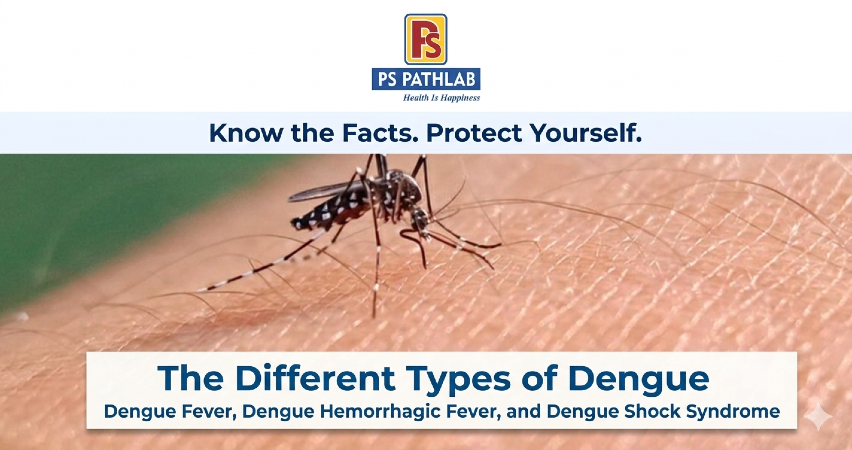
Dengue ek viral infection hai jo Aedes Aegypti naam ke machhar ke kaatne se insaan ke shareer mein dakhil hota hai.
- Day-Biter: Ye machhar zyadatar din ke waqt kaat-ta hai (khaas taur par suraj nikalne ke baad aur dhalne se pehle).
- Breeding Ground: Ye saaf aur ruke hue paani (stagnant water) mein apne ande deta hai, jaise coolers, gamlon (pots), aur purane tyres.
2. The Three Primary Stages of Dengue
Dengue sirf ek bukhar nahi hai, ye teen alag-alag stages mein chalta hai:
- Febrile Stage (2-7 Din): Ismein achanak bohot tez bukhar aata hai (103°F - 104°F). Saath hi sarr mein shadeed dard aur aankhon ke pichle hisse mein chubhan mehsoos hoti hai.
- Critical Stage (The Danger Zone): Jab bukhar kam hone lagta hai, tab log samajhte hain ki wo theek ho rahe hain, lekin asal khatra yahi shuru hota hai. Is stage mein Platelets tezi se gir sakte hain aur shareer ke andar bleeding ho sakti hai.
- Recovery Stage: Ismein patient ka shareer dheere-dheere fluids ko absorb karne lagta hai aur bhook wapas aane lagti hai.
3. Dengue Hemorrhagic Fever (DHF) and Shock Syndrome (DSS)
Ye dengue ke sabse gambhir (serious) roop hain:
- DHF: Ismein sharir ki nasein (blood vessels) kamzor ho jati hain aur khoon leak hone lagta hai. Isse naak, masoodon, ya skin ke andar neele nishaan (bruising) dikhne lagte hain.
- DSS: Jab shareer mein fluid ki itni kami ho jaye ki blood pressure normal se bohot niche gir jaye, to use "Shock" kehte hain. Ye jaanleva ho sakta hai agar sahi waqt par hospital na le jaya jaye.
4. Emergency Alert Indicators (Should You Go to the Hospital Immediately?)
Agar patient ko ye symptoms dikhein, to ghar par ilaj ka intezar na karein:
- Lagatar ulti (vomiting) hona.
- Pet mein bohot zyada dard.
- Saans lene mein takleef.
- Masoodon ya naak se khoon aana.
- Bohot zyada thakawat ya chidchidapan mehsoos hona.
5. Diet and Restrictions in Dengue
Dengue ka koi injection ya dawa nahi hai, iska main ilaj Hydration hai:
- Paani: Din bhar mein kam se kam 3-4 litre paani piyein.
- Coconut Water: Ye electrolytes ko balance karne mein madad karta hai.
- Papaya Leaf Extract: Maana jata hai ki ye platelets badhane mein madad karta hai (lekin doctor ki salah zaroor lein).
- Oats aur Khichdi: Halka khaana khayein jo aasani se hazam ho sake.
6. Prevention: Safeguarding is the Best Remedy
- Water Management: Apne ghar ke aas-paas paani jama na hone dein. Har hafte cooler ka paani badlein.
- Screening: Khidkiyon par jaali lagwayein.
- Full Clothing: Bahar nikalte waqt full sleeves ki shirt aur socks pehnein.
- Mosquito Repellents: Macchar bhagane wali creams ya coils ka istemal karein.
Conclusion
Dengue se bachne ka sabse bada hathiyar Sawaadhani hai. Agar aapko ya aapke kisi jaanne wale ko tez bukhar ke saath shareer mein dard ho, to turant doctor se milein aur NS1/IgM blood test karwayein. Sahi waqt par liya gaya action jaan bacha sakta hai.
FAQs
Q1. How long does dengue fever last?
Ans: The effects of dengue typically persist for 7 to 10 days. The initial 3-4 days are characterized by a high fever, followed by a critical 48-hour period that is of utmost importance.
Q2. Does dengue spread from one person to another through touch?
Ans: No. Dengue does not spread through contact, breathing, or sharing food. It only spreads when an infected Aedes mosquito bites a healthy individual.
Q3. How dangerous is a drop in platelets during dengue?
Ans: In a healthy individual, platelet counts range from 150,000 to 450,000. If the count falls below 100,000, medical supervision is essential. If it drops below 20,000, immediate hospitalization is required due to an increased risk of bleeding.
Q4. Can a person get dengue more than once?
Ans: Yes. There are four distinct types of the dengue virus (DENV-1, 2, 3, 4). If you have contracted dengue from one type, you can still get it from the other three types. A second infection can be more severe than the first.
Q5. When should a dengue test be conducted?
Ans: It is best to conduct the NS1 Antigen test within 24 to 48 hours of the onset of fever. If the fever has persisted for 4-5 days, doctors recommend the IgM/IgG Antibody test.